Nutrition
What should your child eat before a soccer game?
Breakfast, snacks, water and the food between games. Five decisions to make before the weekend starts.

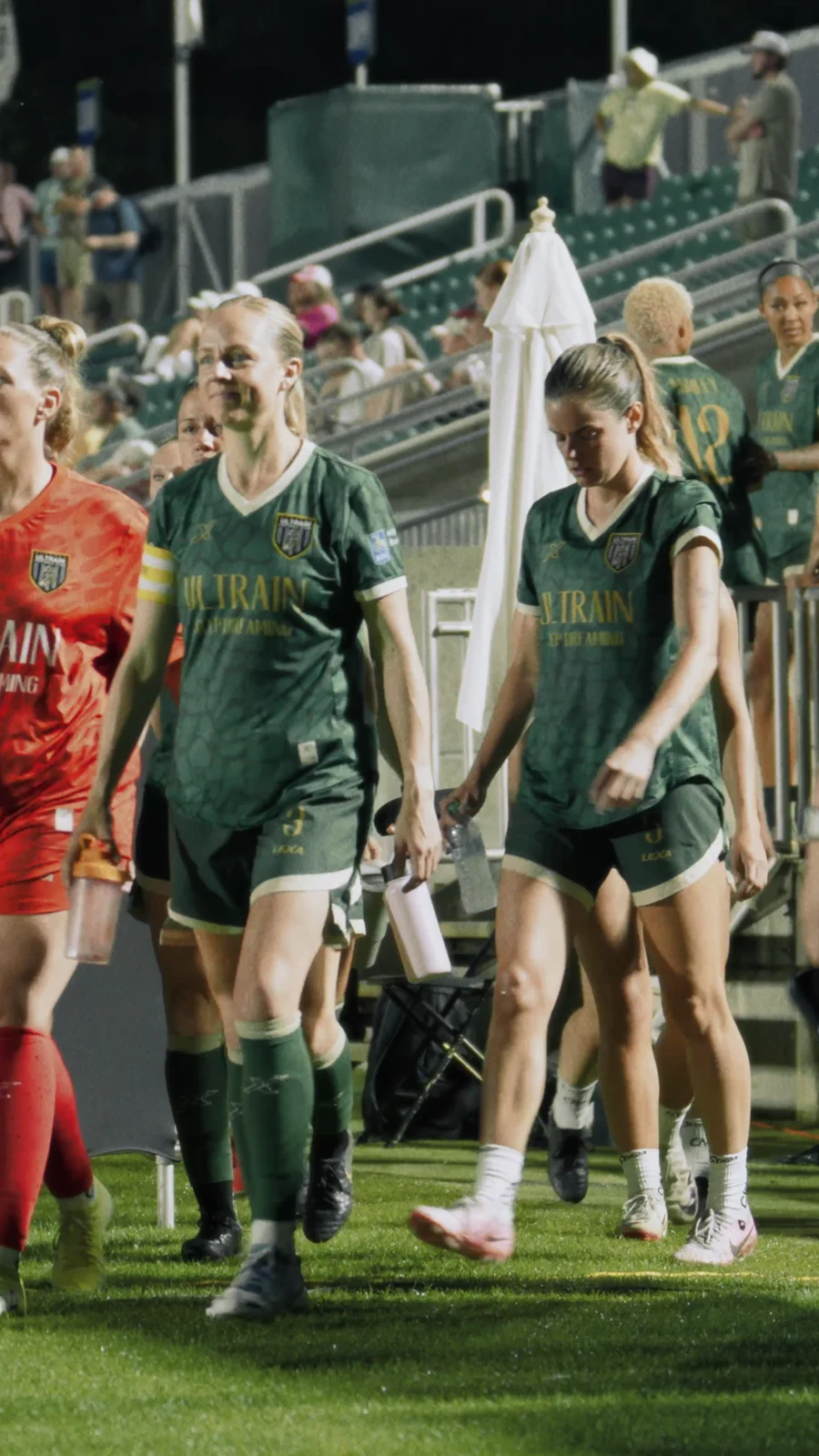
Kickoff is at nine, and your child says they aren’t hungry. You need a breakfast they can manage without turning the car ride into another argument.
Start with familiar food: a carbohydrate-containing meal with some protein when there are several hours before playing, or a lighter snack when time is short. Keep water available. These five notes use pediatric nutrition guidance to help you plan a soccer day for a child or teenager. They are general education, not individual medical advice; follow your child’s care team for medical conditions or specific dietary needs.
Updated July 26, 2024
Before the game
Start with the food your child already eats
Kickoff is early, and the breakfast you planned is still on the plate. Work back from the game before deciding how much food to offer.
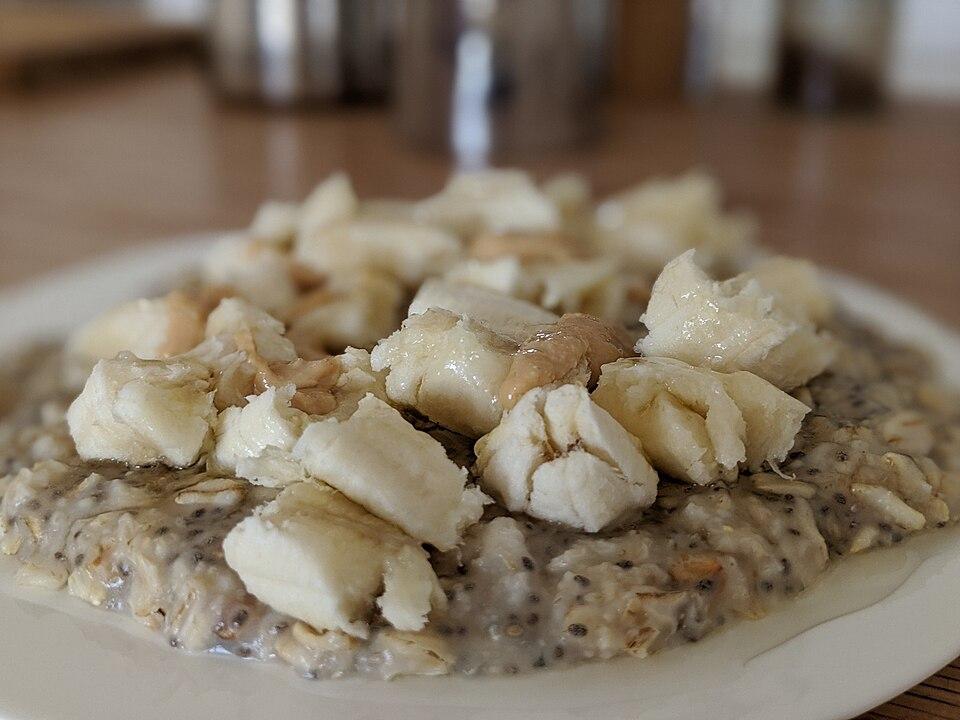
Children’s Hospital Colorado advises a meal around three to four hours before activity, with carbohydrates, some protein and less fat. That could be a familiar breakfast built around cereal, toast or oatmeal, with a protein food your child usually eats. There is no special soccer menu you have to buy.
For a later game, breakfast can fit that window. A nine o’clock kickoff may leave much less time, so use the lighter snack approach below. Ask your child what they managed comfortably before a recent practice. Make a note of the food and timing, then use that information when you shop. A meal they tolerate is more useful than a complicated recipe nobody wants at six in the morning.
What you can do
- Check kickoff and warm-up times before planning breakfast.
- Offer familiar food and leave room to adjust.
Keep in mind: Meal timing is a starting point. Age, appetite, medical needs and stomach comfort differ.
Short on time
There is an hour left. Keep the snack simple.
Your child asks for food just as you reach the field. A familiar snack is easier to arrange than a full breakfast beside the parking lot.
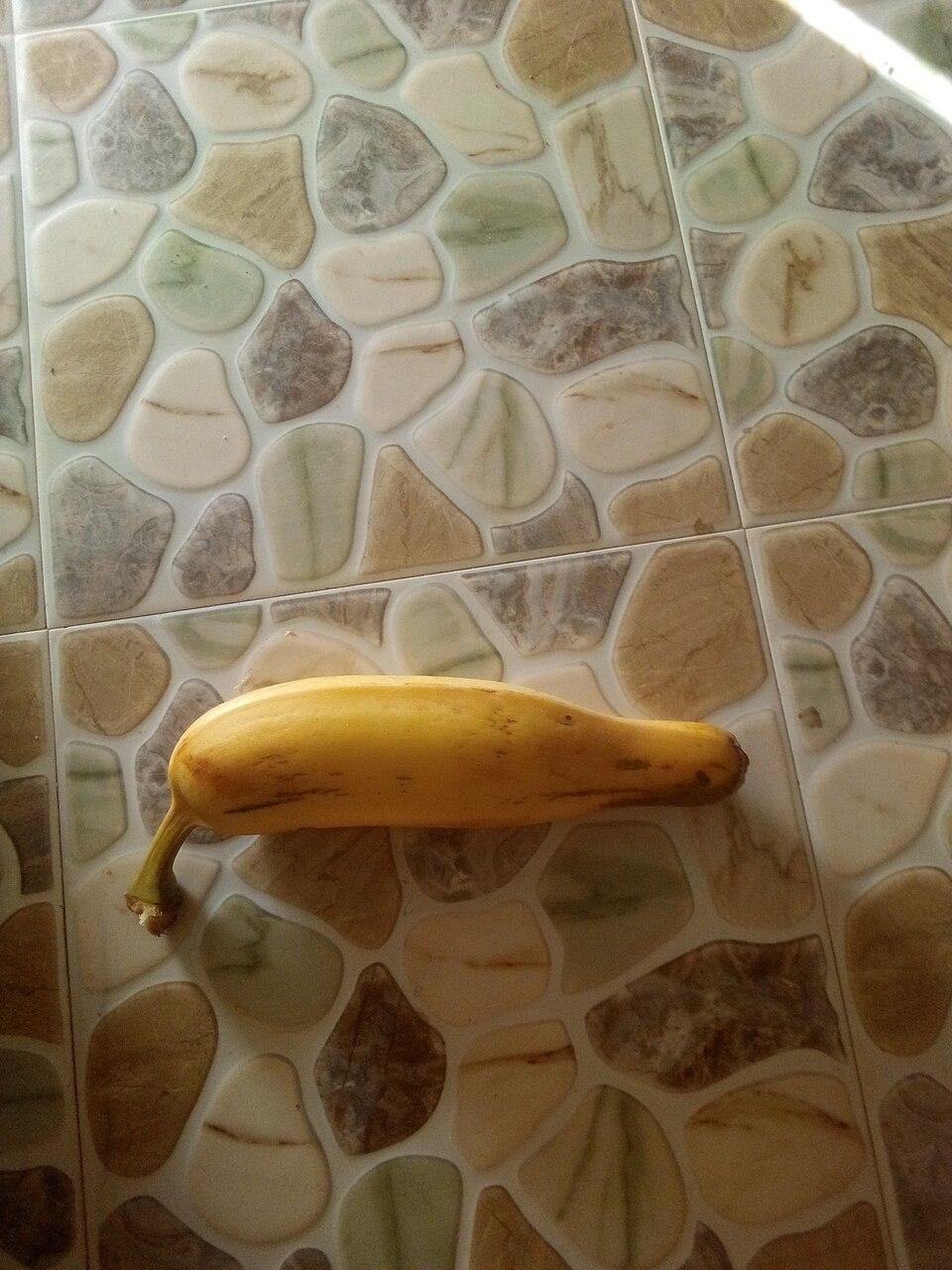
Nemours KidsHealth recommends a lighter meal or easy-to-digest carbohydrate snack when there are fewer than three hours before activity. Fruit, crackers or bread are examples. A banana or toast might be a practical choice if your child already eats it comfortably. The closer start time gets, the less useful it is to insist on finishing a large meal.
Try the food and timing before an ordinary practice first. Ask afterwards whether their stomach felt comfortable, and listen to the answer. You do not need to copy another family’s snack or decide that a single difficult game proves a food was wrong. If eating before sport repeatedly brings pain, nausea or other symptoms, discuss that pattern with their clinician.
What you can do
- Keep a familiar snack available for the trip.
- Test new routines on a practice day.
Keep in mind: These examples do not replace an individual plan for allergies, diabetes or recurring digestive symptoms.
Tournament days
Pack for the gap between games
The first game ends, and the next warm-up is already close. Decide what your child can eat before you find out the concession line is twenty minutes long.
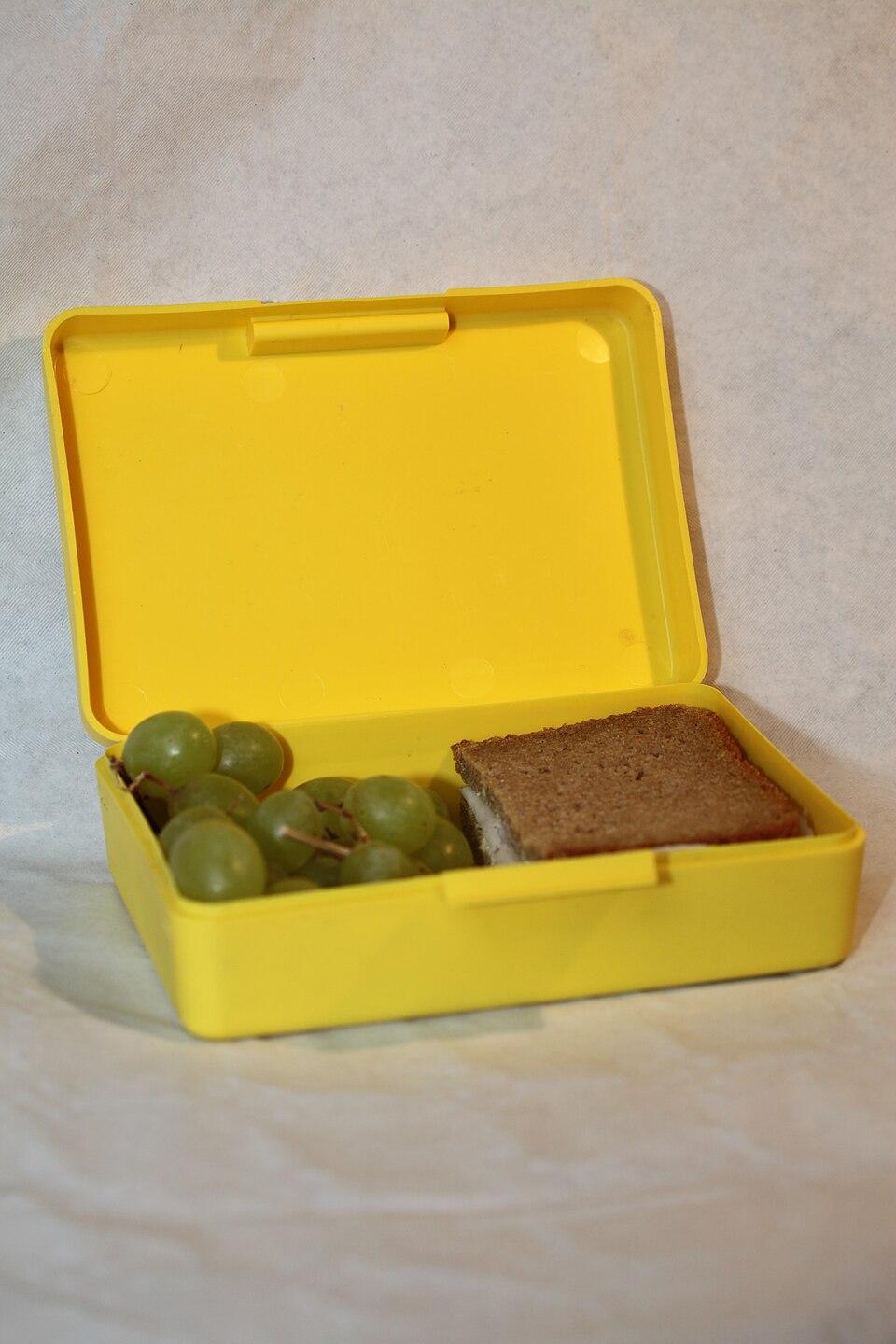
Children’s Health suggests planning tournament food around repeated games, with carbohydrate foods, protein and fluids available. Sandwiches, fruit, crackers and yogurt appear among its examples. Use the foods that fit your child, your budget and the time between games. A long break gives you a different meal opportunity from a quick change of fields.
Write the day’s game times on your phone and check where the longer break falls. Pack choices your child will actually eat, with safe storage for anything that needs refrigeration. Agree on who is carrying the food when families split between fields. Keep a backup option for a delayed game rather than relying on one carefully timed stop. Check the tournament’s allergy and food rules before arranging a shared team snack.
What you can do
- Plan food around the actual gaps in the schedule.
- Bring enough choices for a delay or a changed kickoff.
Keep in mind: There is no universal tournament portion. Use your child’s usual needs and any clinician-provided plan.
Checked November 22, 2026
Hydration
Fill the water bottle before the car ride
The bottle is still on the kitchen counter, and you are halfway to the field. Put it beside the cleats before you leave.
The American Academy of Pediatrics recommends water before, during and after sport. Keep it available through the day too. Needs change with age, heat and activity, so a teammate’s drinking routine is not a personal target for your child. Ask where bottles will be kept and when players can take drink breaks.
For vigorous activity lasting over an hour or heavy sweating, the AAP says an electrolyte-containing drink may be needed. That does not make one necessary for every practice. Energy drinks are different: the American Academy of Child and Adolescent Psychiatry advises against them for all children and teens. Read the label instead of choosing by the sports branding. If you are unsure what suits a long, hot tournament, ask your child’s pediatrician or a sports dietitian.
What you can do
- Make water accessible before, during and after play.
- Check drinks for caffeine rather than trusting the packaging.
Keep in mind: This is general hydration guidance, not a fixed fluid prescription or a heat-illness treatment plan.
After the whistle
Have food ready for the ride home
The game is over, but dinner is still an hour away. Having something packed saves you from guessing what they need at a gas station.
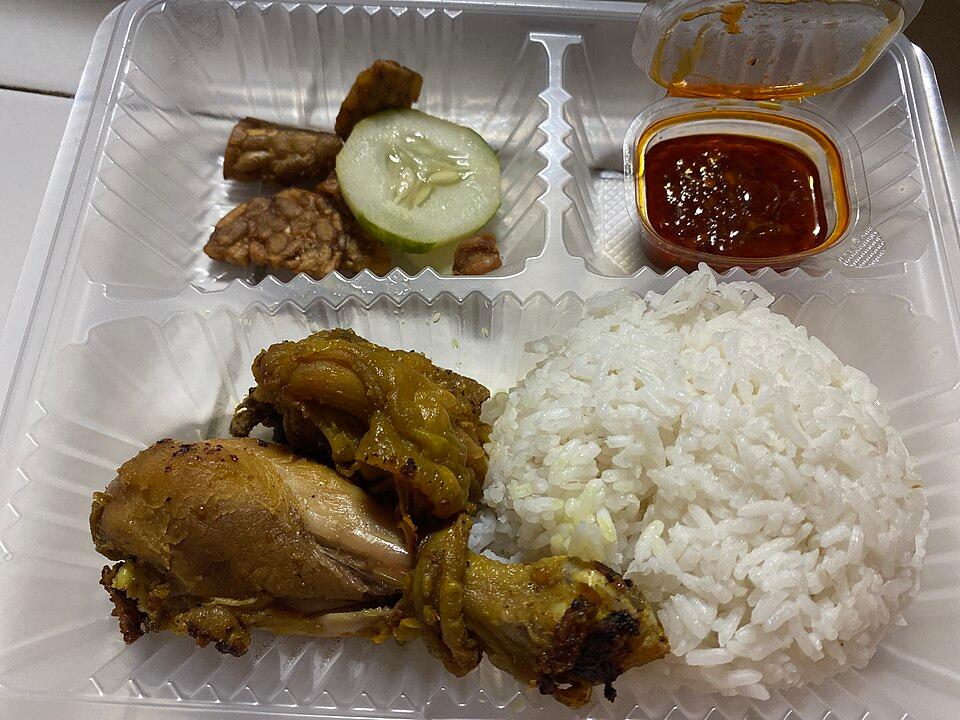
Children’s Wisconsin suggests carbohydrates with protein after activity and regular meals and snacks through the day. A sandwich, yogurt with fruit or cheese with crackers can be ordinary options. A family meal works too when it is available. The aim is to make eating possible around the schedule, with ingredients your child can safely enjoy.
Most young athletes do not need protein powders or sports supplements, according to the hospital’s pediatric dietitian. Avoid turning the ride home into a discussion about weight or how much food their performance earned. If tiredness or dizziness keeps happening, or eating becomes stressful and rigid, contact their pediatrician. Those concerns deserve attention beyond changing the snack bag. A registered dietitian who works with young athletes can help when the family needs a more specific plan.
What you can do
- Bring a snack if the next meal is far away.
- Ask for help with persistent symptoms or worries about eating.
Keep in mind: No supplement, calorie target or body-weight prescription is recommended here.
Published February 9, 2026
Before your child’s next game
Before the next game, ask your child to choose a familiar breakfast and a snack they want packed. Check the schedule together. After practice, ask what felt comfortable and what you should change next time.
By Darrius Marcellin. Published by ULTRAIN Sports with AI-assisted research and drafting checked against the linked sources. Photography and video credits identify each source. General health information is not individual medical or nutrition advice.
Report a correction