Injuries
Your child’s knee hurts after soccer. Should they keep playing?
The pain keeps coming back, and another game is coming up. What parents can do before sending their player back out.

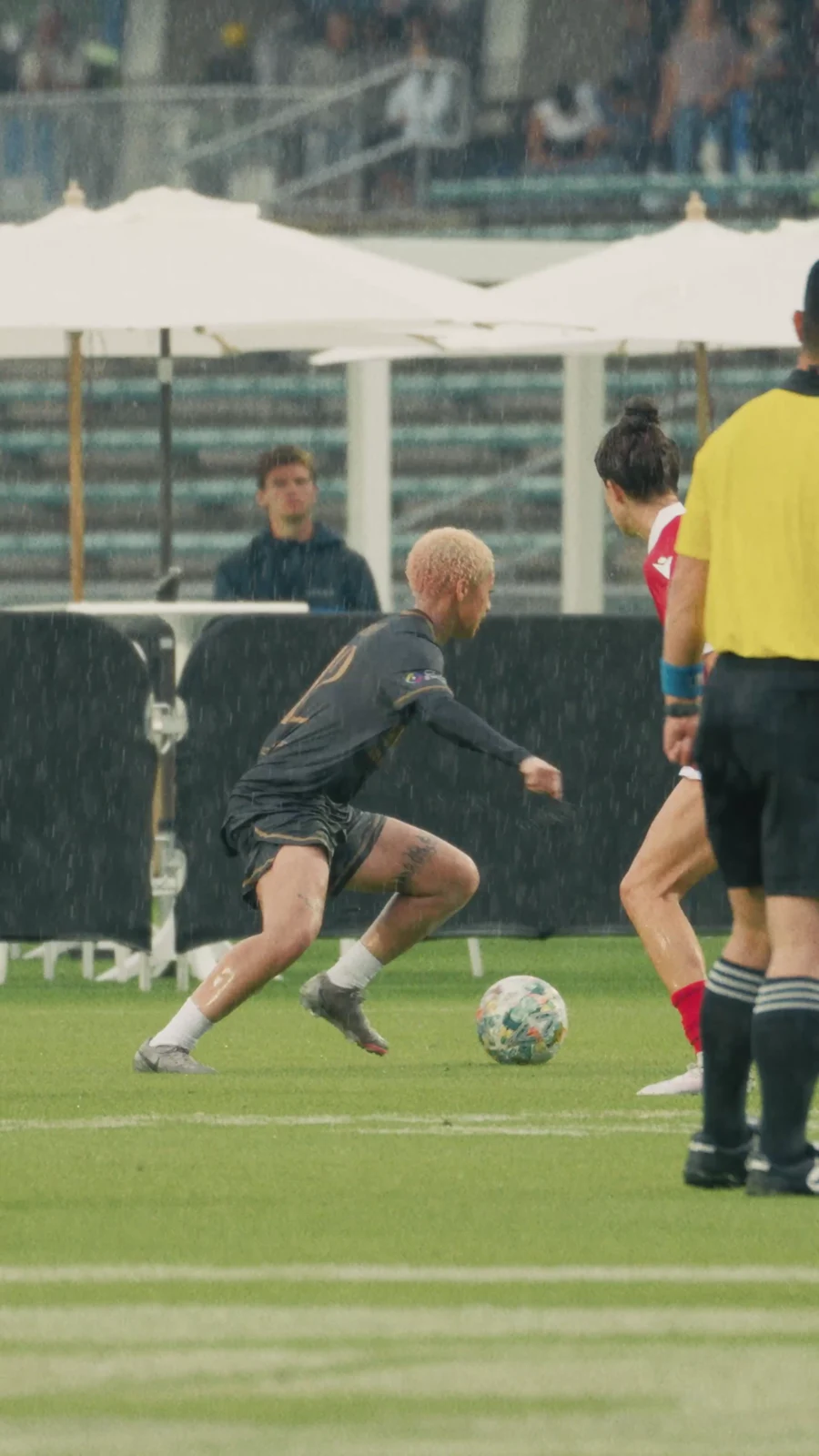
Your child finishes soccer with a sore knee, then says they are fine when the next practice comes around. By the drive home, the same knee hurts again.
Pause the activity that hurts and arrange an assessment when pain keeps returning. A child does not need a dramatic collision to have a problem worth checking. These five notes help you decide what to report and what to ask a pediatrician or pediatric sports medicine clinician. They draw on pediatric guidance and cannot diagnose your child or provide a rehabilitation plan.
Checked November 22, 2026; publication date not displayed
When to stop
When does knee pain need urgent care?
Your child is limping towards the car. The next match can wait while you work out what care they need.
After a sports injury, the AAP advises an emergency department visit if a child cannot bear weight or walk without pain. Call 911 for a life-threatening injury, an obviously displaced joint or a bone sticking through the skin. For knee pain without a clear injury, Seattle Children’s advises seeking care now for a swollen joint, inability to move it normally, or fever with pain in one leg.
For a knee injury with a snap or pop, call a clinician or seek care now. A new limp should be discussed with a clinician within 24 hours. Stop the session and explain what you can see when you call. If the situation is unclear, ask your pediatrician’s triage service where to go.
What you can do
- Keep your child out of painful play while arranging care.
- Tell the clinician about the injury, walking difficulty, swelling and any fever.
Keep in mind: These are examples of warning signs, not a complete triage checklist. Seek urgent help if your child seems seriously unwell.
Updated January 17, 2024
Reviewed May 1, 2025; revised January 25, 2025
Reviewed May 1, 2025; revised January 25, 2025
Finding the cause
Could the pain below their knee be Osgood-Schlatter?
You search the sore spot and find a condition that sounds familiar. That gives you a question for the doctor, but it cannot settle the diagnosis.
Osgood-Schlatter disease involves irritation at the area below the kneecap where the patellar tendon attaches to the shinbone in a growing child. Running and jumping can aggravate it. AAOS describes diagnosis through the child’s history and an examination; imaging may be needed if another problem is suspected.
Pain around or behind the kneecap can have other causes. The AAP’s knee-pain guidance stresses confirming the diagnosis before treatment. Do not dismiss recurring pain as growing pains, or copy exercises from a video because the location looks similar. Ask what the clinician thinks is causing it, what activities are safe now and which changes should trigger another call. You can write those answers down together before leaving.
What you can do
- Let your child describe where and when it hurts in their own words.
- Ask for advice that matches the diagnosis rather than a generic knee routine.
Keep in mind: This description cannot distinguish Osgood-Schlatter from other causes of knee pain at home.
Checked November 22, 2026; publication date not displayed
Training and recovery
Count every session, including the extra ones
The club sees two practices and a match. You also see school soccer, private training and another tournament on Sunday.
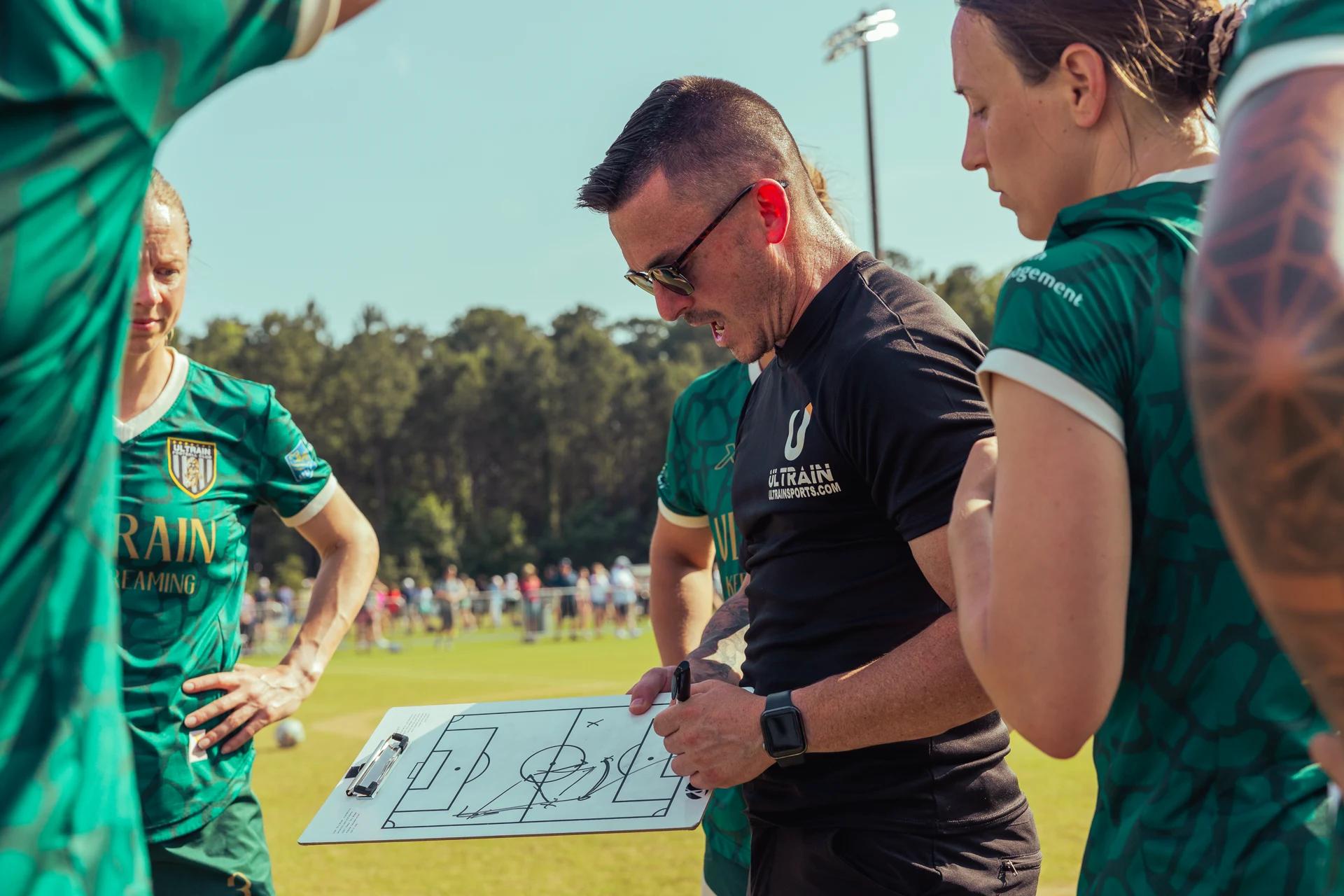
Write down the whole week before discussing the knee with your child’s clinician. Include time spent playing and whether sessions overlapped. Mark when the pain appeared. This gives everyone the same account instead of asking your child to remember a month of training on the spot.
AAP guidance distinguishes a sudden injury, such as a fall or collision, from overuse problems that develop as repeated demands outpace recovery. Pain can begin after activity and later occur during it. Its general prevention advice includes no more than five or six training or playing days a week and breaks from a single sport during the year. Ask how your child’s current schedule should change while the pain is being assessed. A rest day on a calendar does not diagnose or treat the problem.
What you can do
- Bring the school, club and extra-training schedule to the appointment.
- Tell every coach about any activity restrictions the clinician gives.
Keep in mind: General prevention guidance does not tell an injured child when it is safe to resume soccer.
The appointment
Tell the doctor what changed before the pain started
“Their knee hurts” leaves a lot to explain. A short note can make the appointment easier for you and your child.
Record whether the pain followed one incident or built up over several sessions. Note whether it affects stairs, walking or sitting, and whether the knee swells, locks or gives way. The AAP identifies swelling, locking, instability and disruption of daily life as reasons for medical evaluation. Do not wait for the next scheduled practice to mention new symptoms.
AAOS lists changes in training, footwear and playing surfaces among possible contributors to adolescent front-of-knee pain. Mention recent changes without deciding that one caused the problem. Bring previous injury information too. Let the clinician examine the knee; you do not need to ask your child to sprint, squat or jump to prove it hurts. If your child struggles to explain, start with an ordinary moment: did walking upstairs after school feel different?
What you can do
- Keep a brief timeline rather than rating your child’s toughness.
- Ask whom to contact if symptoms change before the next appointment.
Keep in mind: A symptom diary helps a conversation. It is not a home diagnostic test.
Updated April 29, 2026
Checked November 22, 2026; publication date not displayed
Before the next match
Ask what a safe return will look like for your child
The coach needs an answer for Saturday. Your child’s medical plan should decide that answer, not the team sheet.
Ask the clinician what your child can do now, what they should avoid and how the next review will work. Request clear instructions for the coach and school. If a physiotherapist or athletic trainer is involved, make sure everyone understands the same plan. The AAP encourages coordination between the young athlete, family, medical team and coaches after a sports injury.
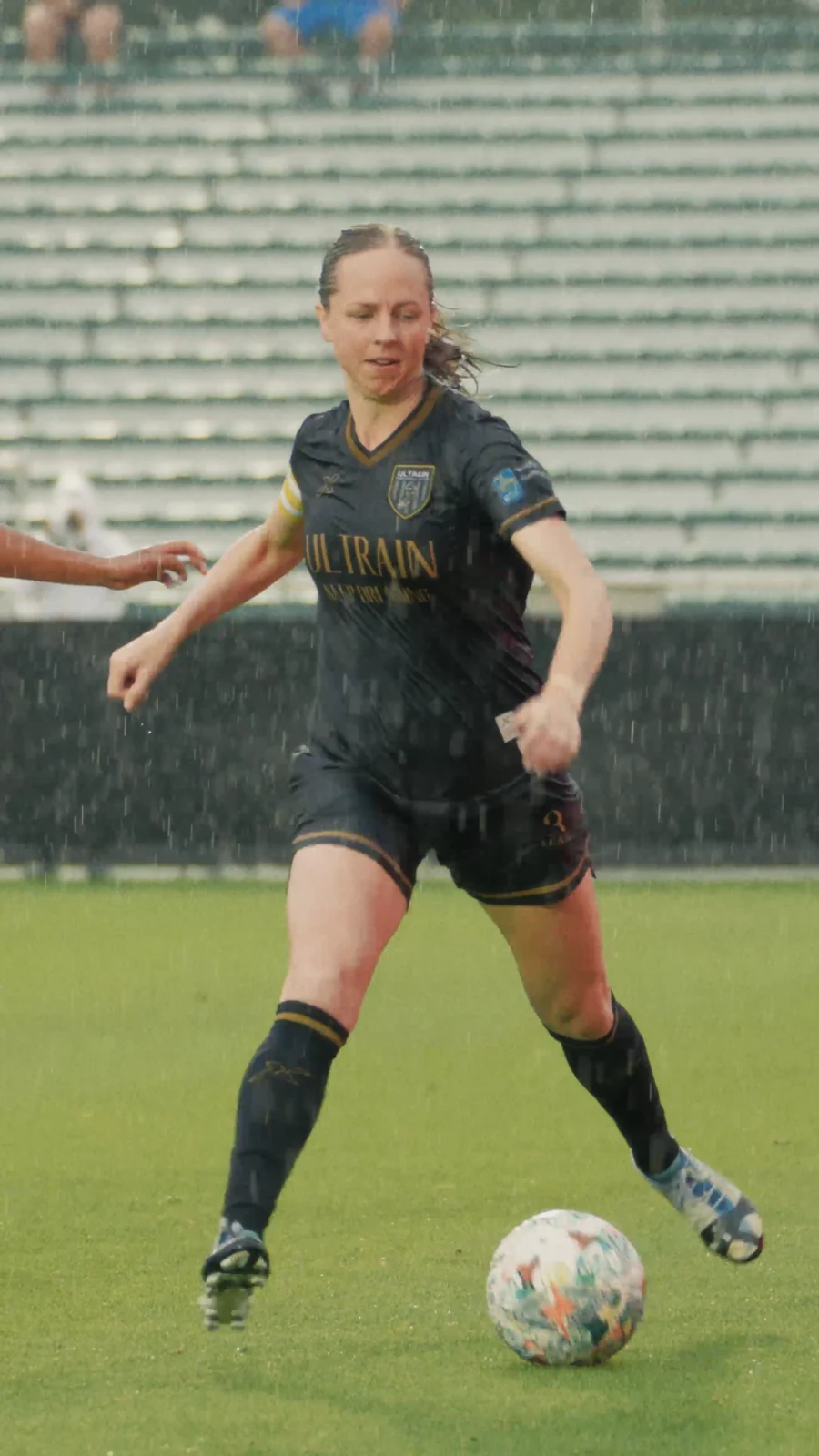
Missing soccer can be upsetting. Ask your child what they miss most and listen before offering a solution. The AAP suggests staying connected with teammates, including watching games or spending time together away from training. Those options do not require proving the knee is ready. Before returning, ask who will guide each step and what to do if pain comes back. Avoid promising a match date before the treating clinician has advised on it.
What you can do
- Get the activity and return instructions in writing if possible.
- Help your child stay part of the team without pressure to play through pain.
Keep in mind: Recovery and return decisions depend on the diagnosis and the individual child. This article offers no return-to-play timetable.
Before your child’s next game
If the same knee keeps hurting, put the question to your child’s clinician before the next session. Bring your notes, include your child in the conversation and make sure their coach knows the plan.
By Darrius Marcellin. Published by ULTRAIN Sports with AI-assisted research and drafting checked against the linked sources. Photography and video credits identify each source. General health information is not individual medical or nutrition advice.
Report a correction