Injury prevention
Worried about ACL injuries? Ask what happens in the warm-up.
Five questions for parents about knee injuries, prevention programs and getting help when a player gets hurt.

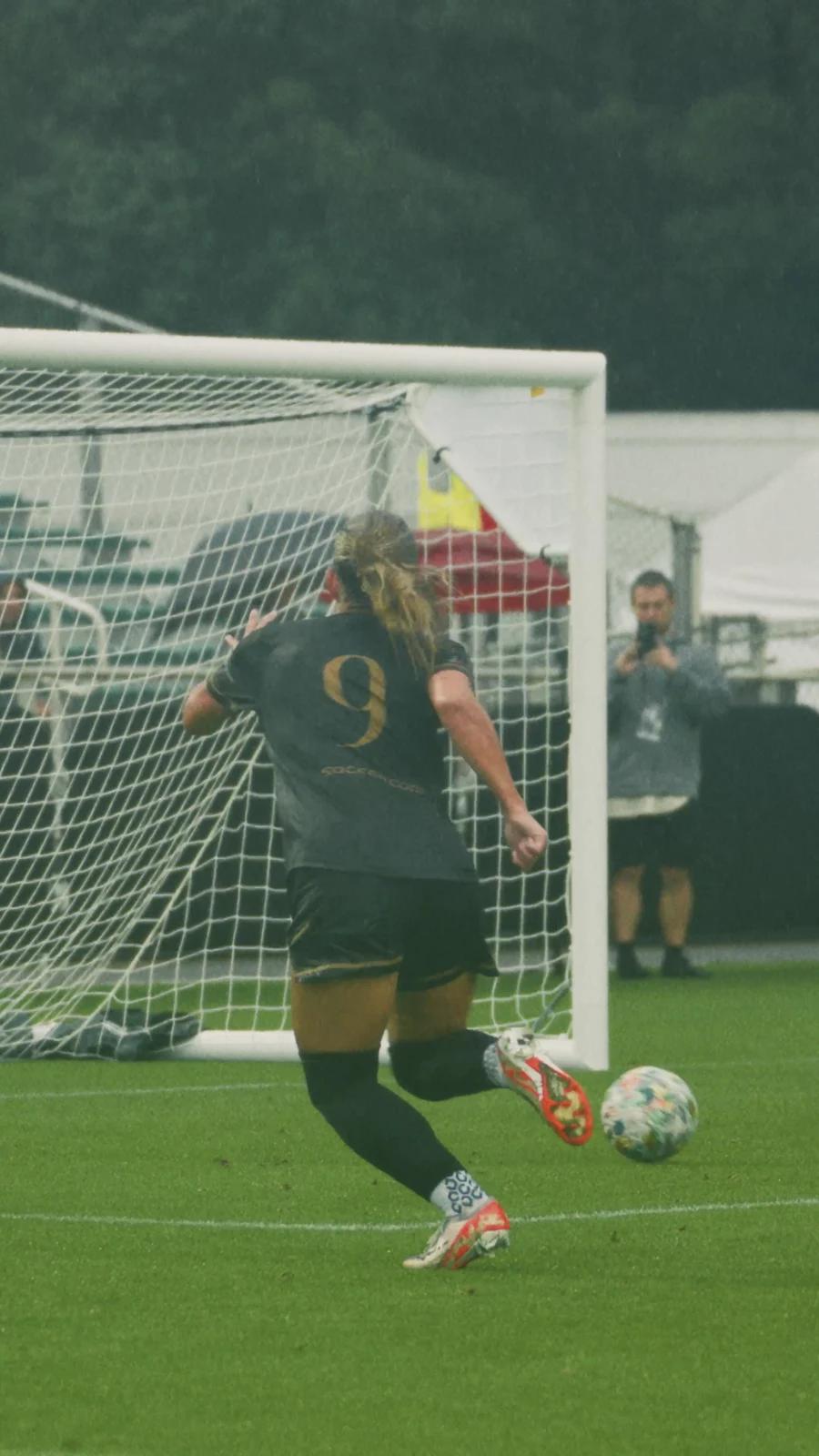
When a teammate tears an ACL, you start watching every turn and landing. What can your child’s team do before anyone gets hurt?
Structured injury-prevention training can lower ACL injury risk, although it cannot remove it. A 2026 position statement reviews what these programs include and where the evidence is strongest. For parents, the useful next step is a conversation with the coach about the team’s routine.
These five questions explain the research in plain language. This is general education, not a diagnosis or a rehabilitation plan; an injured player needs advice from their own healthcare team.
Published online May 14, 2026; October 2026 journal issue
Understand the injury
How does a soccer player tear an ACL?
There does not have to be a collision. An ACL injury can happen when a player stops, changes direction or lands from a jump.
The anterior cruciate ligament, or ACL, helps keep the knee stable. It connects the thigh bone and shin bone and helps control their movement. AAOS explains that most ACL injuries happen without a direct blow to the knee. Watching for rough tackles alone will miss part of the risk.
Girls and women have higher ACL injury rates in several sports, but boys can tear an ACL too. Risk varies between players and situations. A parent cannot work out a child’s risk by looking at their knees from the sideline, and a video of one awkward turn is not a diagnosis.
Ask the coach how jumping and changes of direction are taught and how the team makes time for injury-prevention work.

What you can do
- Ask about the team’s prevention routine for all players.
Keep in mind: A match photograph cannot show an individual player’s injury risk.
Publication date not displayed; checked November 22, 2026
Before practice
What should an ACL prevention warm-up include?
A lap around the field tells you the warm-up has started. It does not tell you whether the team has a structured injury-prevention program.
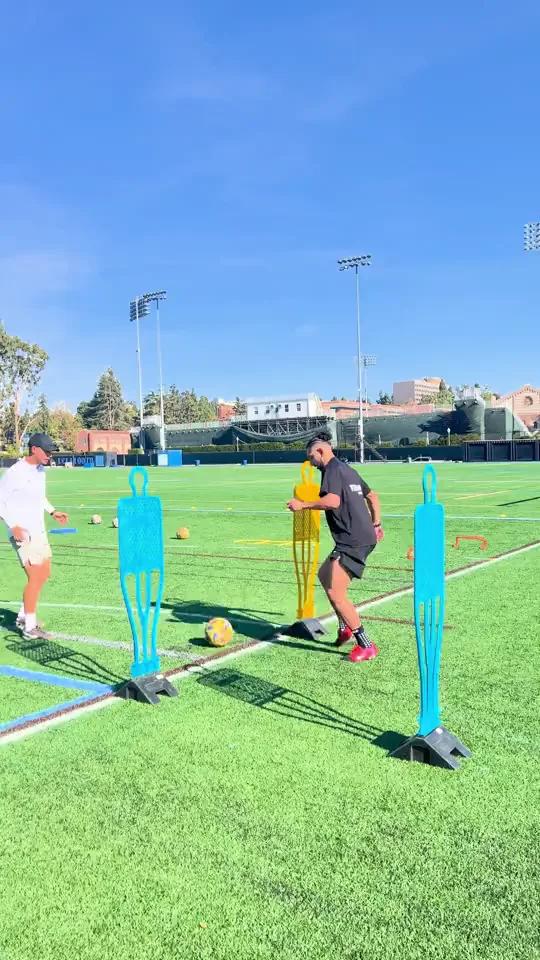
The 2026 Exercise and Sport Science Australia statement describes programs that combine strength, balance, jumping and landing, mobility and changes of direction. Players practice these movements with guidance. Ask which age-appropriate program the club follows and who helps players perform it correctly.
The strongest evidence in that review concerns adolescent female soccer, basketball and handball players. Evidence is less clear for males, elite athletes and some other sports.
A qualified coach, athletic trainer or physical therapist can help select and teach an appropriate program.
What you can do
- Ask for the program’s name and the person responsible for teaching it.
Keep in mind: Risk reduction is not guaranteed prevention, and one routine does not suit every age or injury history.
Published online May 14, 2026; October 2026 journal issue
Consistency
How often does the team actually do it?
A club can say it has a prevention program and still skip it when practice starts late. Ask when it happens during an ordinary week.
The American Orthopaedic Society for Sports Medicine’s summer 2026 guidance emphasizes consistent use and practical implementation. A routine needs a place in the training schedule and someone responsible for it. Learning exercises once at preseason does not establish that the team keeps using them.
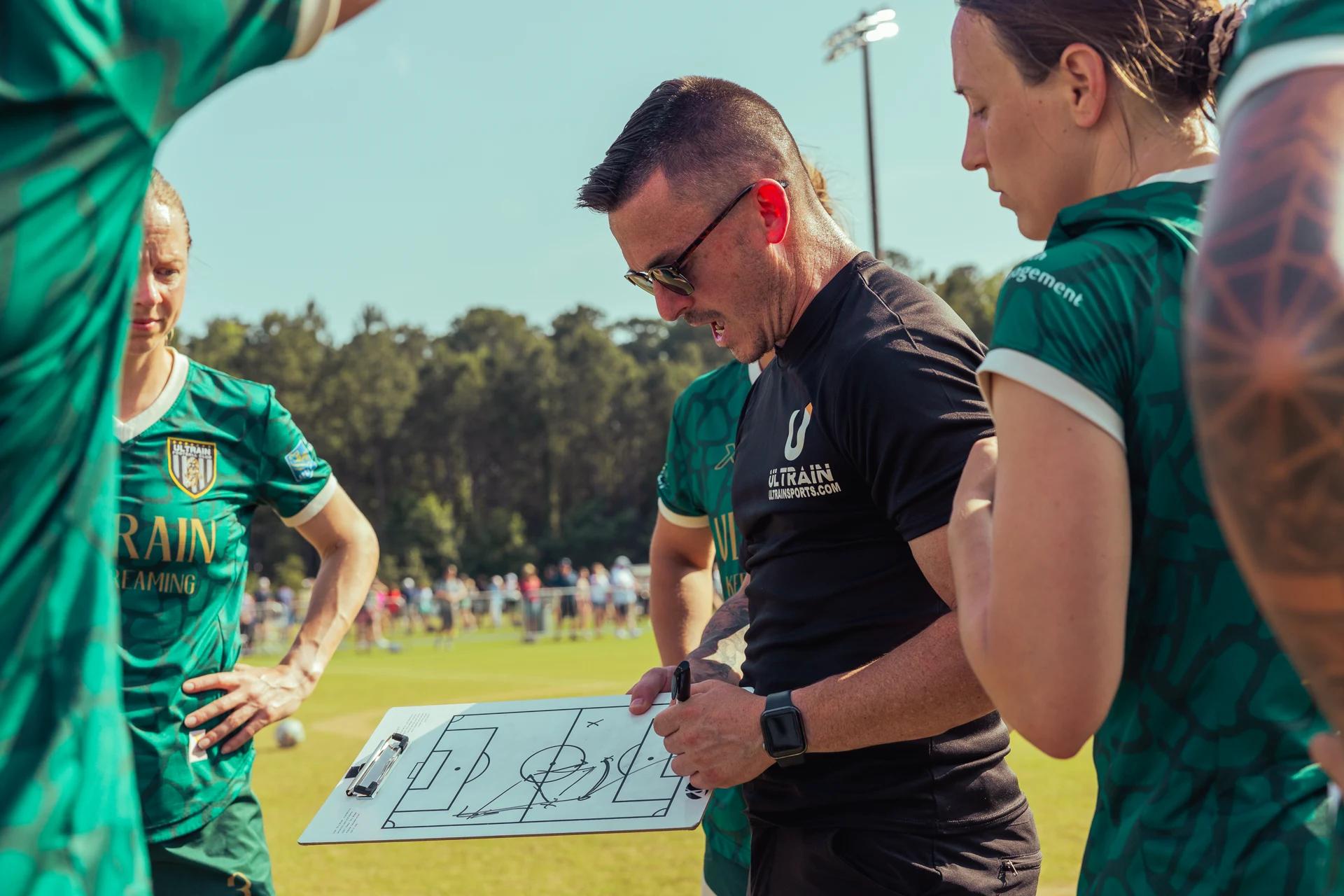
Parents can ask three simple questions: Is this part of regular practices? Who checks technique? What happens when a player misses the introduction? A brief conversation before the season can establish what the club expects.
If the answer is unclear, ask whether the club works with an athletic trainer or sports medicine professional who can help. Request a short explanation that players can understand too. Your child should know which routine the coach means, rather than hearing a different set of instructions from every adult.
What you can do
- Ask how the program fits into the weekly schedule.
- Find out how new or absent players learn the routine.
Keep in mind: A written schedule helps organize delivery; it does not prove that a program prevents every injury.
If a knee gets hurt
What if your child’s knee pops or swells?
Your player says the knee popped, but they can still walk. Being able to walk does not mean it is safe to keep playing.
Stop the activity and arrange medical assessment if there is a pop, swelling, reduced knee movement or a feeling that the knee gives way. The American Academy of Pediatrics notes that some children with a serious ACL injury can still walk or run with little pain or swelling. Do not use another sprint as a test.
Seek urgent care if your child cannot bear weight after an injury, or has severe pain and swelling, a knee that looks bent or twisted, or a leg that becomes blue or cold. Johns Hopkins lists these as reasons for urgent care or an emergency department visit. These signs can involve injuries other than an ACL tear.
Tell the clinician what happened, what the player felt and when swelling appeared. Let a medical professional examine the knee. Parents and coaches should not try ligament tests themselves or diagnose the injury from a replay.

What you can do
- Stop play and seek medical assessment for a pop, swelling or instability.
Keep in mind: This is not a complete list of possible symptoms. If you are concerned about an injury, seek care.
Updated March 29, 2019; checked November 22, 2026
Publication date not displayed; checked November 22, 2026
After an injury
When can a player return to soccer?
Your child may be counting down to the next tournament. The calendar alone cannot decide when their knee is ready.
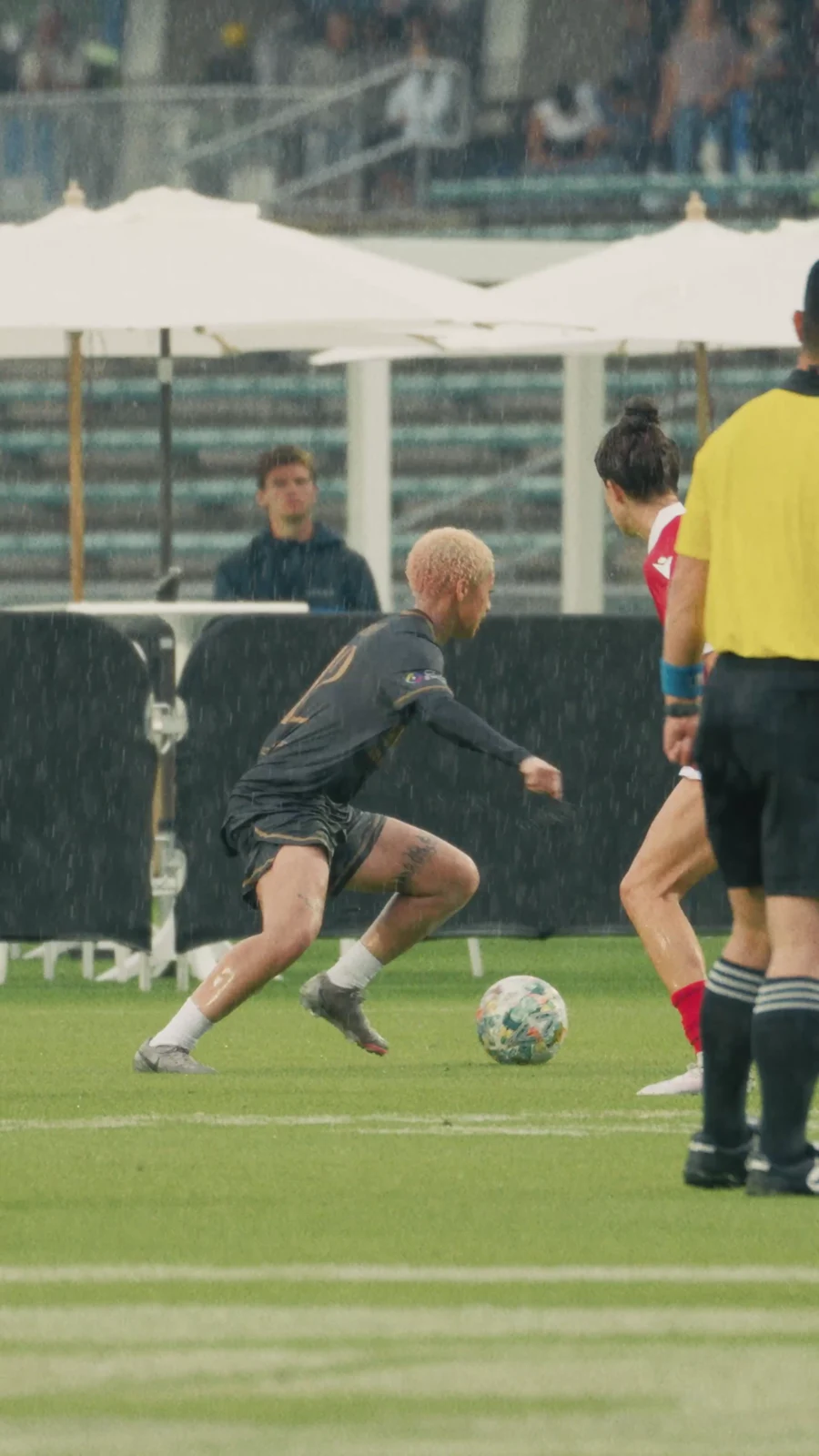
Seattle Children’s describes rehabilitation that works on movement, strength, stability, balance and confidence, with testing to assess readiness for sport. Those goals belong in an individual treatment plan. A player who can jog is not automatically ready for soccer’s turns, landings and contact.
Ask the treating clinician and physical therapist what the next stage involves, what your child is allowed to do now and how they will assess readiness to progress. Share those instructions with the coach so an invitation to join a drill does not become accidental medical clearance.
Make room for how your child feels about returning as well. They may want to play and still worry about the knee. Bring that concern to the healthcare team. Avoid setting a return date from another player’s recovery story, a social post or the team’s need for a substitute.
What you can do
- Get the current activity limits from the treating team.
- Ask which assessments will guide return to soccer.
Keep in mind: Treatment and clearance depend on the child’s injury and progress. This article does not provide a return-to-play timetable.
Publication date not displayed; checked November 22, 2026
Before your child’s next game
Before the next practice, ask who teaches the team’s injury-prevention warm-up and how often they use it. Keep the answer simple enough that you and your child understand it. If your player is already hurt, start with medical care instead of adding exercises from an article.
By Darrius Marcellin. Published by ULTRAIN Sports with AI-assisted research and drafting checked against the linked sources. Photography and video credits identify each source. General health information is not individual medical or nutrition advice.
Report a correction