Player recovery
Your players look tired before training even starts
Before you add another hard session, check what your players have already done this week.

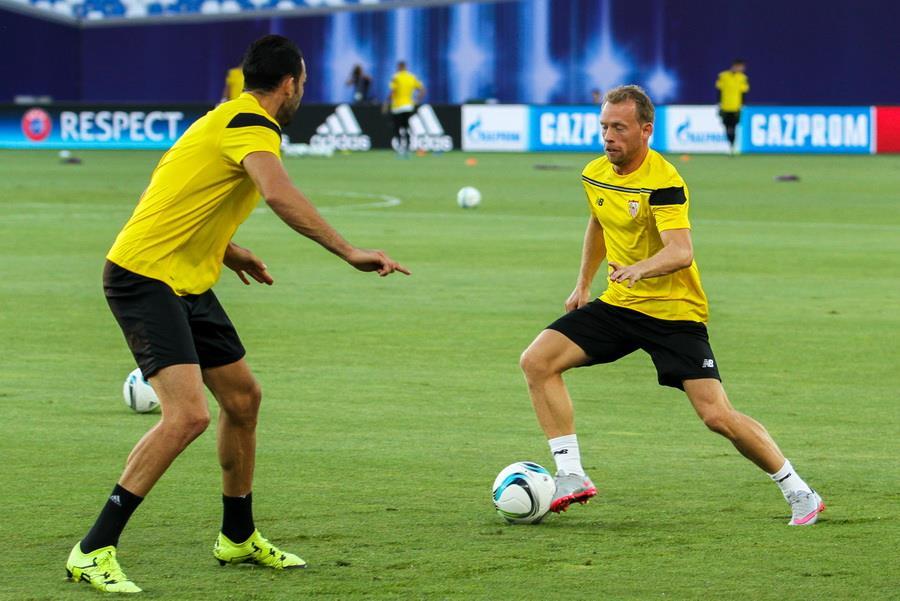
Warm-up has barely started and several players already look flat. Before you ask for more effort, find out what happened between the last game and this session.
One player finished a full match, another sat on the bench, and another trained with a school team you did not know about. They have arrived at the same practice with different demands behind them.
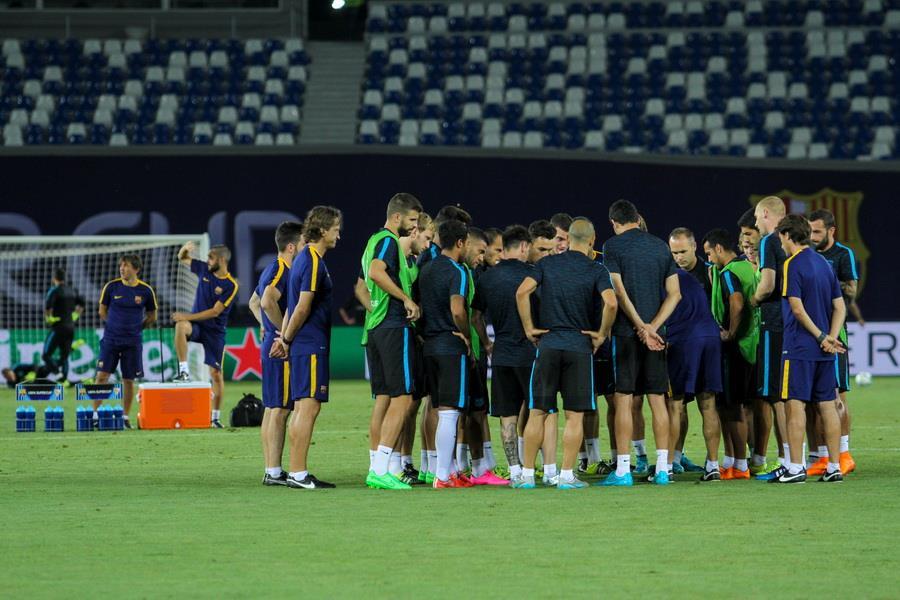
These five checks help U17–U21 coaches plan that next session. They draw on established guidance and professional practice, not a new recovery breakthrough. The photographs are credited archive illustrations, not participants in the cited research.
Weekly schedule
Ask about the sessions you did not run
Your Tuesday session may be a player’s second session of the day. If you only count club training, you can miss half the conversation.
Football Australia’s youth guidance describes players training across clubs, schools and private academies. It asks those involved to share schedules and consider reducing training during stressful periods such as school exams. Its discussion of growth specifically includes under-17 players; it is guidance, not a trial of one weekly routine.
Ask each player what is already booked before you add extra work. For an older academy group, include college or work commitments and travel. You do not need a public spreadsheet of personal details. A private conversation can reveal the clash that changes tonight’s plan.

At your next practice
- Ask about other football, gym work and fixtures this week.
- Agree who will contact the other coach when sessions overlap.
Keep in mind: A calendar helps coordination. It cannot diagnose fatigue or establish a safe workload for an individual.
Match minutes
Do not give the bench and starters the same follow-up
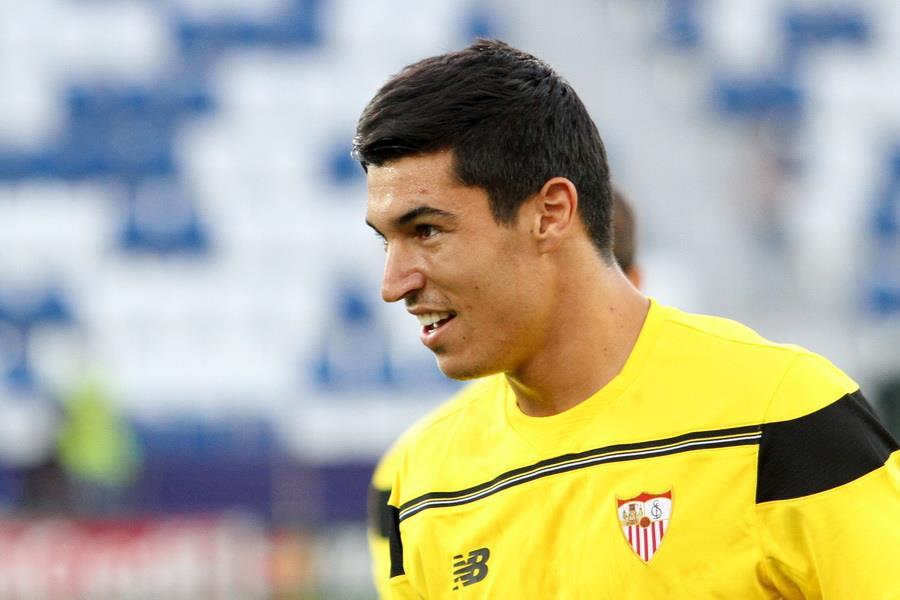
One player played the full game. Another warmed up several times and never came on. Start by recognising that difference.
In FIFA’s July 2023 interview, Italy performance specialist Valter Di Salvo describes different approaches for players with many match minutes and those with few. Recovery matters for the former; players with limited minutes need appropriate training exposure. This describes senior international practice, not a ready-made U17 programme.
For your group, note who played and ask how they feel before deciding the next activity. A player with few minutes may still have pain, a demanding school session or poor sleep. Avoid turning extra work into a punishment for not starting. Explain what the session is for and coordinate the physical work with qualified staff where available.
At your next practice
- Record minutes rather than sorting players by starter or substitute alone.
- Check each player before deciding who trains together.
Keep in mind: Match minutes are only one part of the decision. Do not copy elite conditioning volumes or assume a substitute is automatically ready for more.
Sleep
Look at the gap between getting home and getting up
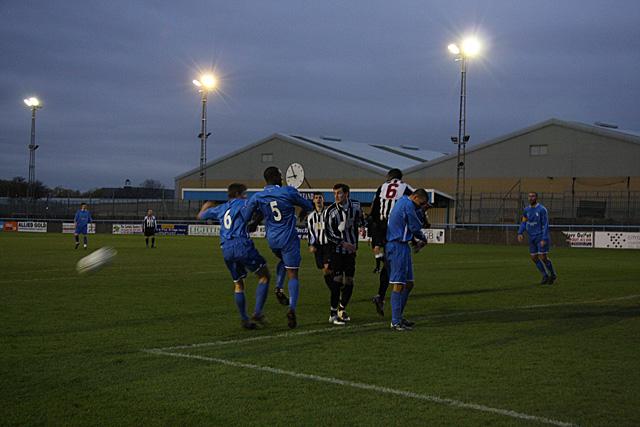
A late finish still leaves dinner, travel and school the next morning. Telling a teenager to sleep more does not change that timetable.
The American Academy of Sleep Medicine’s 2016 consensus recommends eight to ten hours per 24 hours for ages 13–18. This is general adolescent health guidance, not a football performance guarantee, and it should not be relabelled as an identical target for every 19–21-year-old.
Work backwards from the player’s required wake-up time. Look at when your session actually ends, when the player reaches home and what still needs doing. Ending the debrief on time is something a coach can control. Ask about practical barriers without making players announce their sleep habits in front of the team.
At your next practice
- Give a reliable finish time and keep the final team talk short.
- Discuss repeated sleep difficulties privately with the player and, for minors, their family.
Keep in mind: Persistent sleep problems belong with a qualified healthcare professional. A coach should not prescribe sleep medicines or supplements.
Food and fluids
Check there is a plan for eating after the game
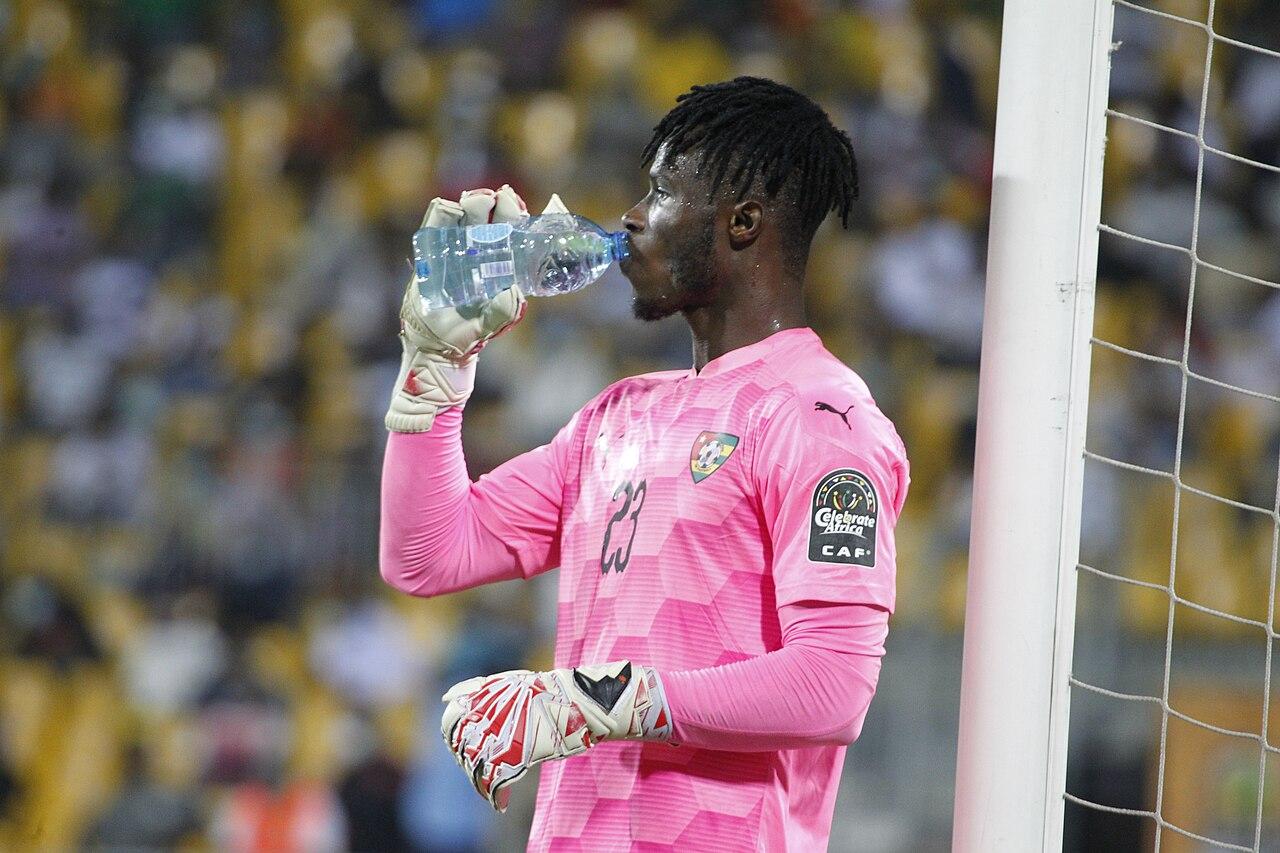
The final whistle goes and the bus leaves. Has anyone checked when the players will next get a meal or a drink?
UEFA’s October 2020 nutrition statement promotes food before supplements and calls for individual assessment of elite junior players’ needs. Training demands and maturation matter. A professional player’s nutrition targets are not instructions to copy onto every teenager’s plate.
For a coach, the useful job is often organisation. Confirm that players can access water and a familiar meal or snack around the journey home. Consider allergies, religious requirements, cost and what families can realistically provide. Make room for eating and drinking rather than filling every spare minute with a team meeting. Leave personalised quantities and specialist concerns to a qualified sports dietitian or doctor.
At your next practice
- Tell families the travel and meal schedule before matchday.
- Keep drinking opportunities available and check that bottles can be refilled.
Keep in mind: Avoid public weigh-ins, calorie targets and supplement recommendations. This is general education, not an individual recovery diet.
Time off
Put the rest day in the calendar before it fills up
A blank evening can quickly become another private session. Agree what time off means before everybody adds their own extra work.
FIFPRO’s June 2025 expert consensus includes weekly rest days and specific safeguards for under-18 academy players. The underlying Delphi process gathered expert opinion about excessive workload in men’s football. It is not an experiment proving one rest schedule prevents injury, and the report identifies areas needing further work for under-21s.
Give the player and everyone planning their football the same calendar. Be clear when you are not assigning extra training. If a second team adds a fixture, revisit the plan together instead of expecting the player to resolve conflicting demands. An agreed break should not depend on whether the last result was good.
At your next practice
- Name the planned time off when you share the weekly schedule.
- Ask players to flag added matches early so the adults can coordinate.
Keep in mind: Repeated unusual tiredness, pain or illness needs appropriate medical assessment. Do not use this checklist to clear an injured player.
Try it at practice.
Before your next session, ask what each player has already done, what comes next and whether something needs changing tonight. Write down the agreed adjustment so the player, family and other coaches hear the same plan.
By Darrius Marcellin. Published by ULTRAIN Sports with AI-assisted research and drafting checked against the linked sources. Photography and video credits identify each source. General health information is not individual medical or nutrition advice.
Report a correction