Passing and movement
Your players pass the ball, then stand still
Help the passer give their teammate somewhere to play next. Five changes to try with your U17–U21 squad.

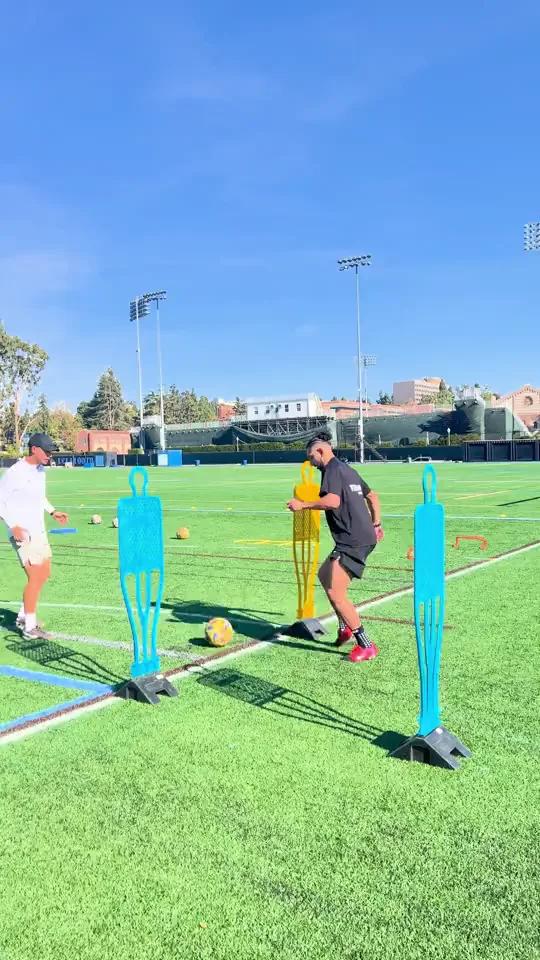
Your player makes the pass and stops. Their teammate is left trying to beat a defender alone, while the player who could help watches it happen.
You can keep shouting for movement, but where do you want them to go? Give the passer a job they can see: offer a return pass, move beyond an opponent or leave room for another teammate. These five notes use FIFA and FA coaching resources, with suggested adaptations for U17–U21 training. Start with the situation your team keeps getting stuck in.
Published April 14, 2025
Published June 9, 2026
After the pass
Show the passer where they can help
You ask them to move, and they jog straight towards the ball. Now two players are standing in the same space.
The FA’s receiving programme asks the passer to offer support after releasing the ball so their team can progress or keep possession. That gives you something specific to coach. Pick a familiar moment, such as a full-back passing into midfield. Pause with everyone in place and ask the passer where they could receive the ball back.
Let the player choose a position, then restart with the defender involved. Could the teammate actually find them? If the opponent blocks the return pass, let them try another angle. Keep the explanation short enough that they remember it when play starts again. The FA resource covers younger age groups too; use its support principle here and adjust the practice to your older players.
At your next practice
- Ask the passer to show one usable return pass.
- Restart from the same positions and let the defender respond.
Keep in mind: The suggested restart is an adaptation for your team, not a tested U17–U21 programme.
Published April 14, 2025
Support positions
Stop three players coming short for the same pass
Your midfielder looks up and everyone is coming towards them. Who is giving them a pass further up the pitch?
FIFA’s central-midfield practice works on creating clear passing routes, including positions behind pressing opponents. A player can be close to the ball and still be hidden by a defender. For your group, look at where the supporting players stand relative to each other. Can one opponent block both of them?
Try the split rondo, then carry that question into a game with a direction of attack. When one player comes short, ask another to stay available beyond the nearest defender if the space allows. Let them work out the distance together. Sometimes holding a useful position is enough. Running constantly can close a passing route that was already open.
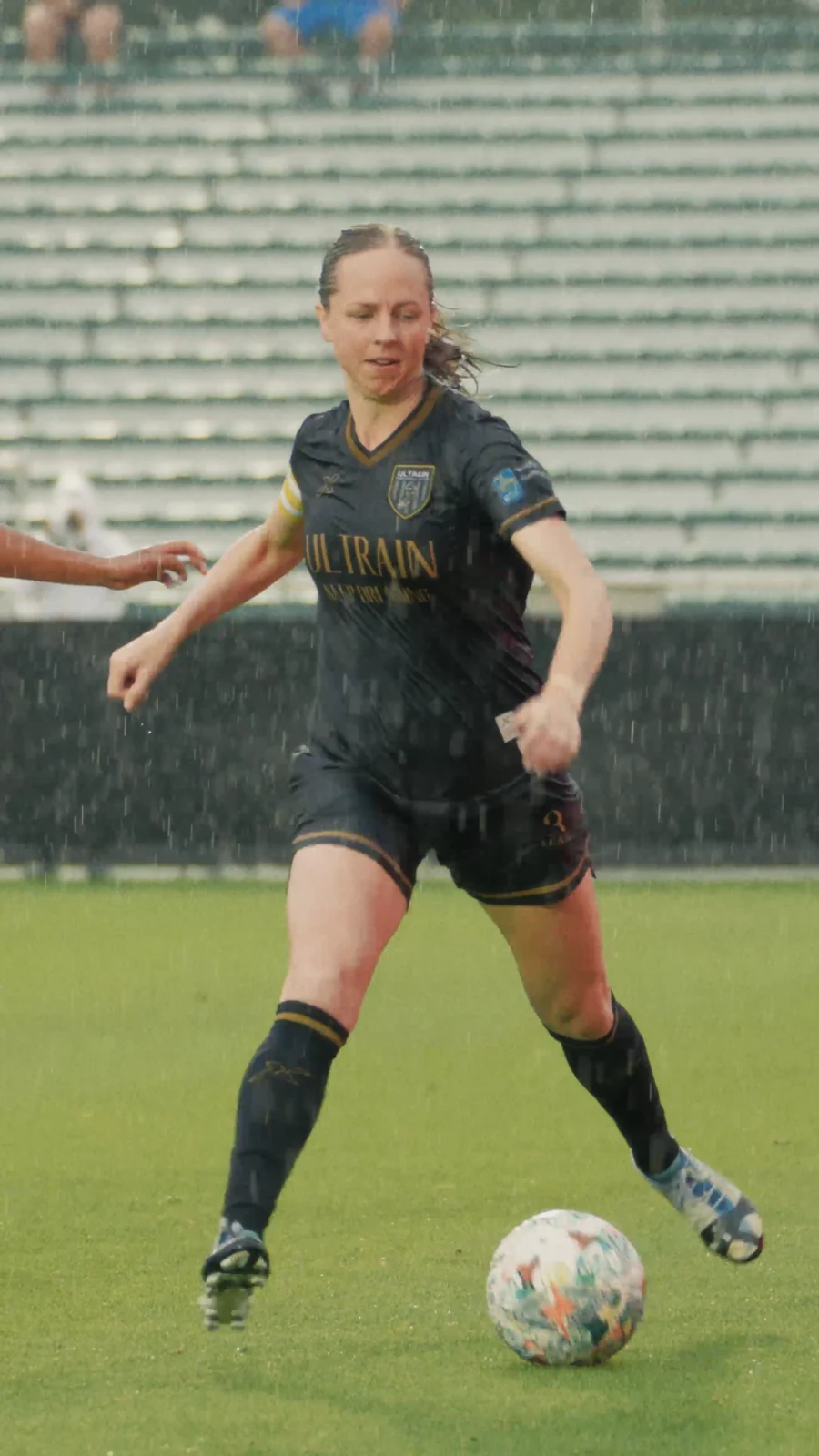
At your next practice
- Check whether one defender can block two teammates.
- Give the player on the ball options at different distances.
Keep in mind: The rondo is a starting setup. Match roles and opposition will change where useful support should be.
Combination play
Your runner gets there before the ball
The passing move looks good until the runner has to stop and wait. Let them see how their starting time changes the final pass.
FIFA’s third-player examples show a pass into a teammate, a lay-off and a supporting run that makes the next pass possible. The runner needs to arrive where the ball can reach them. Show the group the official match examples linked below, then ask them to watch the player without the ball through the whole move.
Use Up, Back, Through to rehearse the timing. Rotate the jobs so everyone feels what the passer needs. If the runner reaches the space too early, reset and let them delay the run. If the passer has to hold the ball, check the lay-off as well. A misplaced return pass can make a well-timed run look late.
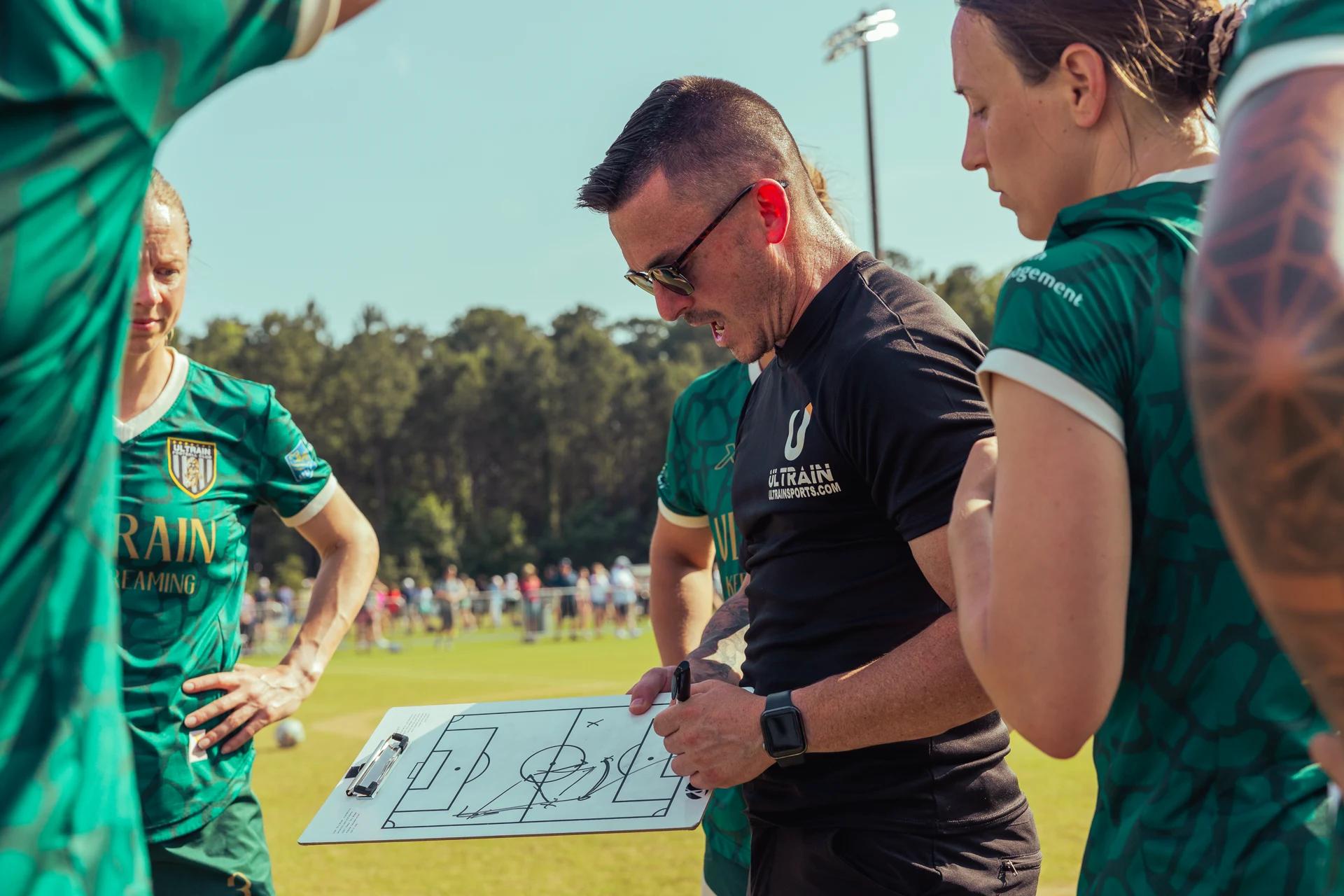
At your next practice
- Watch the run from its starting position.
- Adjust the run and the weight of the lay-off together.
Keep in mind: The match examples illustrate combinations; they do not prove that repeating this drill will produce the same result.
Opposed practice
The move works around cones. Add a defender.
Your players can complete the passing move around cones. Let a defender try to win the ball and see what they do next.
FIFA’s three-player finishing session uses mannequins to rehearse combinations in wide areas. It is explicitly an unopposed practice, with work on passing accuracy and run timing. That can help you explain a movement before asking players to use it against an opponent.
Once your players understand the combination, try the defender progression in Up, Back, Through. Let the defender block a passing route and win the ball. The attackers can change their angle, keep possession or try another pass. If they force the rehearsed move into a closed space, stop there and ask what else was available. Reduce the pressure briefly if they cannot complete a pass, then build it back up.
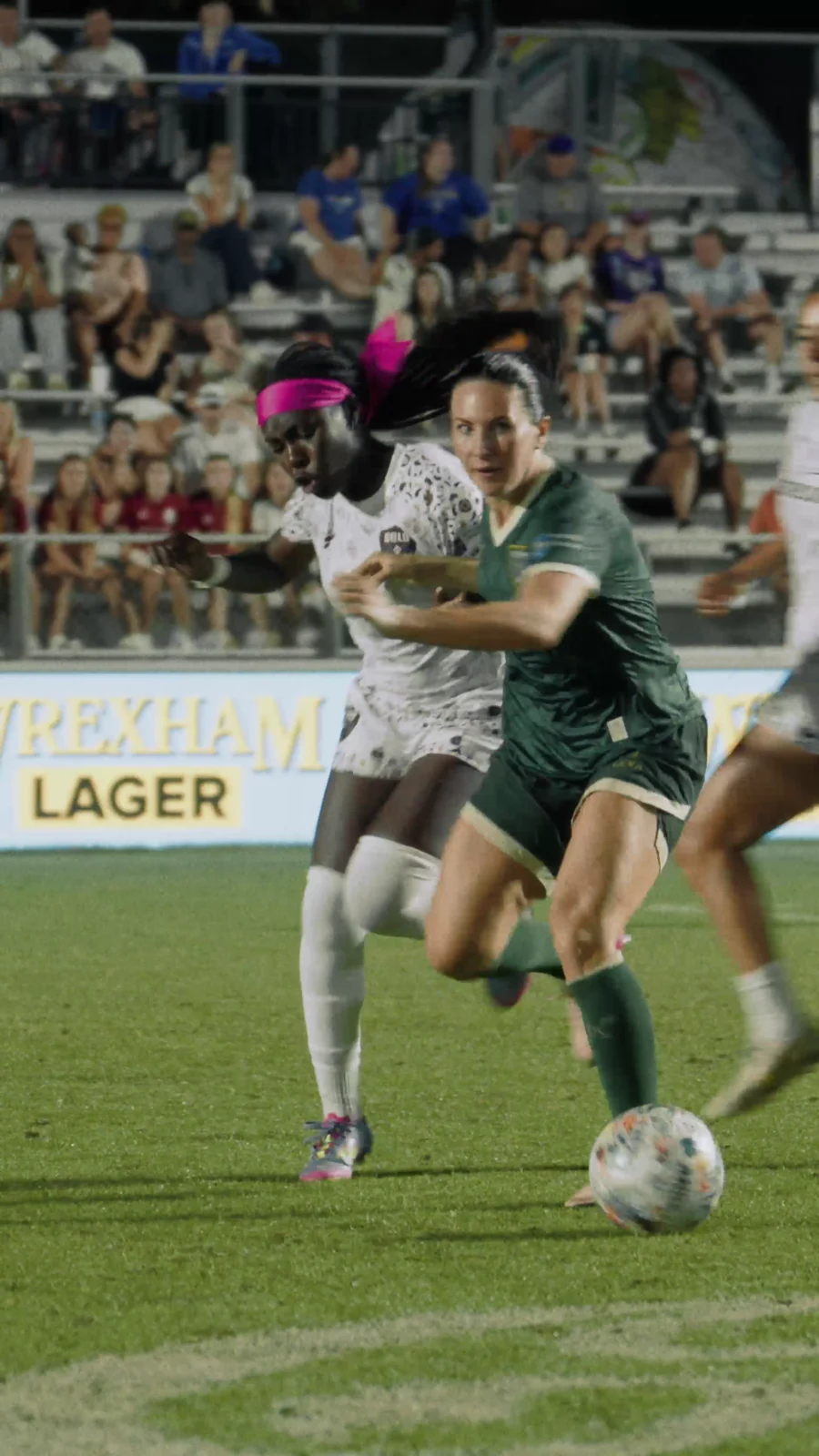
At your next practice
- Allow the defender to win the ball.
- Let attackers keep possession when the forward route closes.
Keep in mind: Adding a defender is a suggested progression, not a claim about a measured improvement in matches.
Match practice
Watch the passer during the final game
The player on the ball draws your eye every time. For a few attacks, follow the teammate who just passed instead.
FIFA’s position-specific framework connects individual work, opposed situations and larger games. It also allows coaches to return to a simpler practice when needed. Give your players a game at the end and see whether they offer support without your reminder.
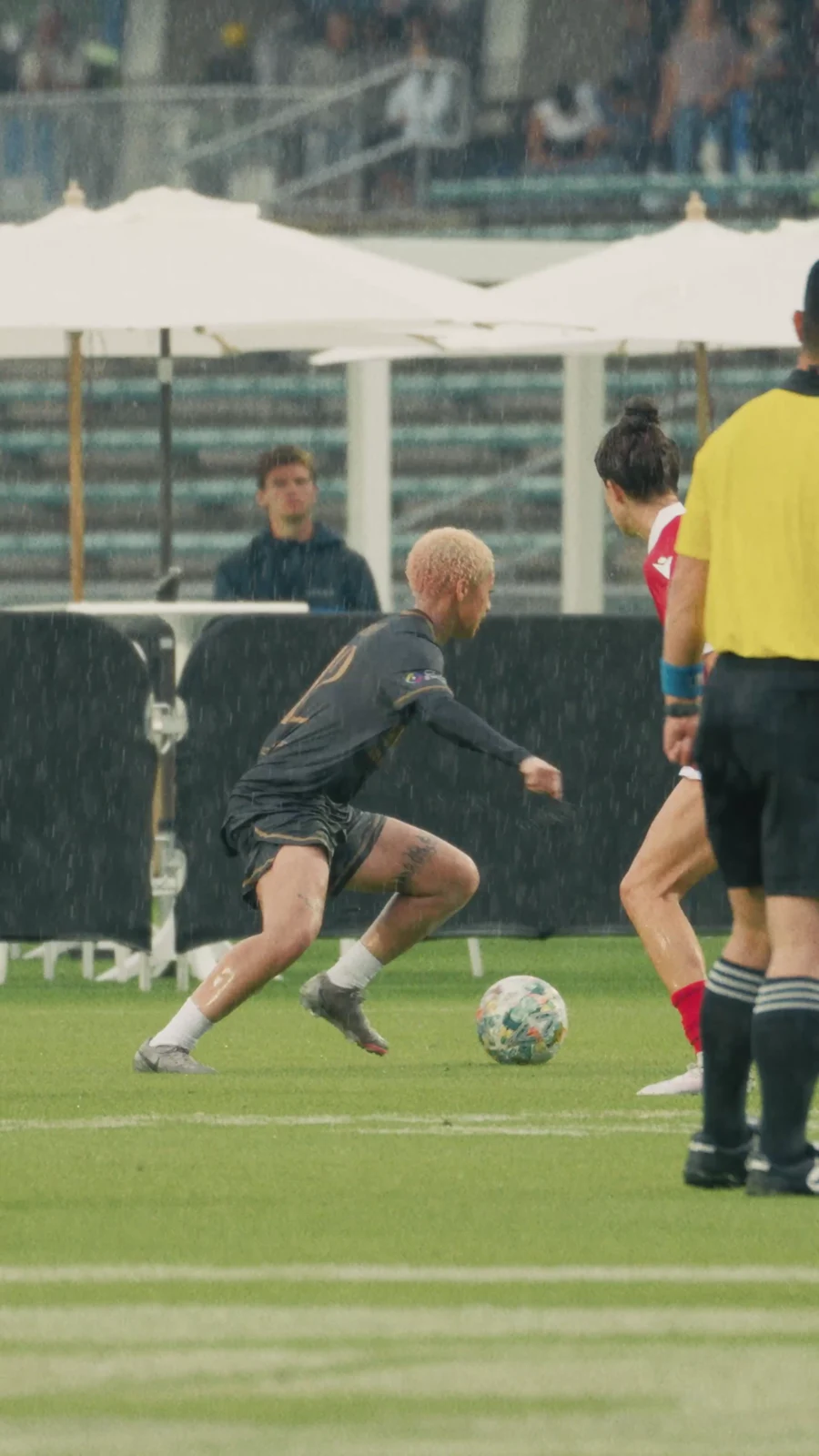
Pick one player and make a short note after their passes: where did they go, and could a teammate use them? Include a moment when staying put helped. At the next break, discuss one example with the player. Ask what they were trying to do before giving your view. If a player offered a useful pass but never received it, talk to the ball carrier too.
At your next practice
- Follow one passer through several attacks.
- Use one observed moment in the next conversation.
Keep in mind: These notes are a coaching aid, not a player ranking or a validated performance score.
Published May 6, 2026
Try it at practice.
At your next practice, choose one pair of players who often get stuck after a pass. Work on the support between those two, then watch for it in the game. Keep a note of the situation that still causes trouble so you know what to revisit.
By Darrius Marcellin. Published by ULTRAIN Sports with AI-assisted research and drafting checked against the linked sources. Photography and video credits identify each source. General health information is not individual medical or nutrition advice.
Report a correction