Academy training
Your goalkeeper has the ball. Why is nobody available?
Help your goalkeeper find a pass, your midfielders offer support and your team respond when possession is lost.

Your goalkeeper looks left, looks right, then kicks long because every nearby teammate is marked. Before you call it poor distribution, look at the options the team gave them.
Playing out from the back needs shared decisions. The goalkeeper needs support after passing, midfielders need a route to receive, and the team needs another option when the short pass is closed.
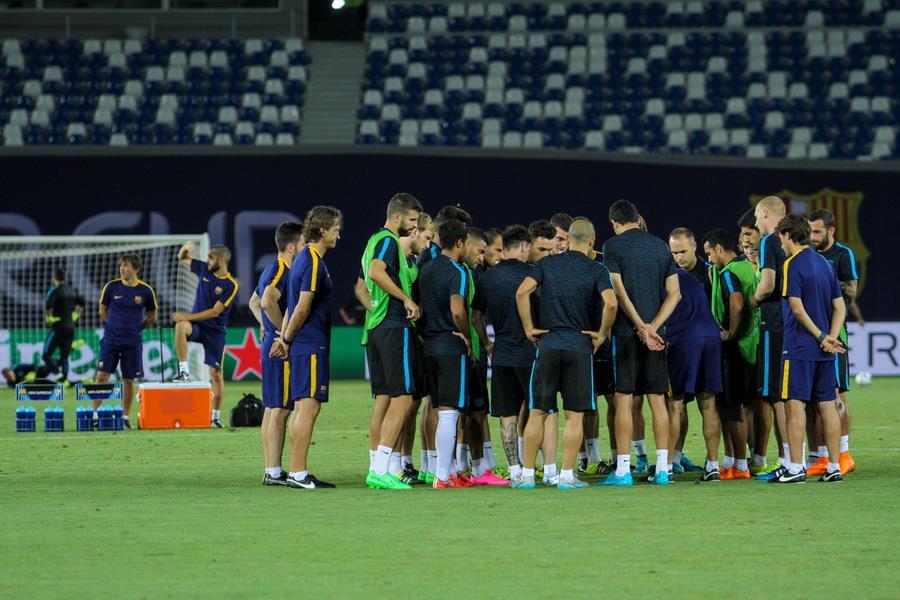
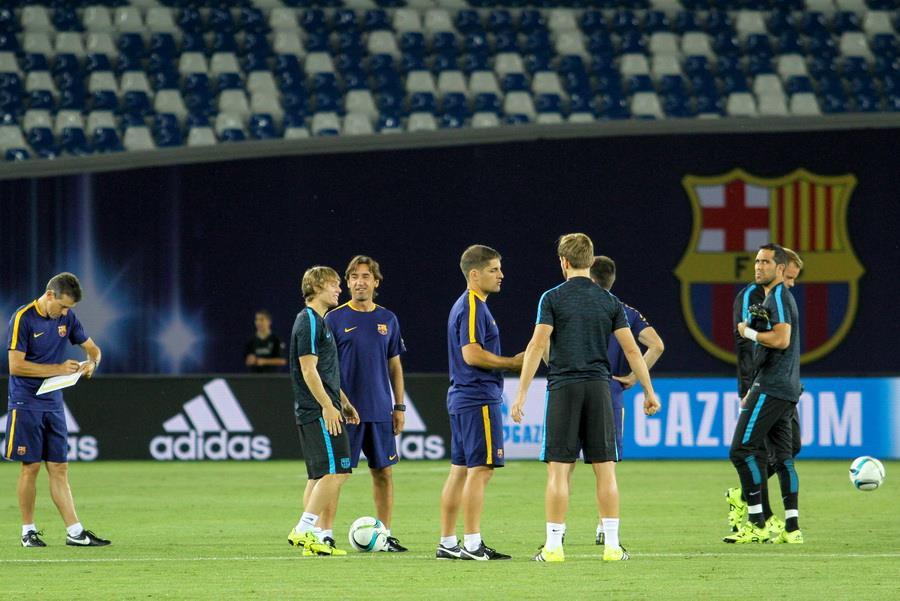
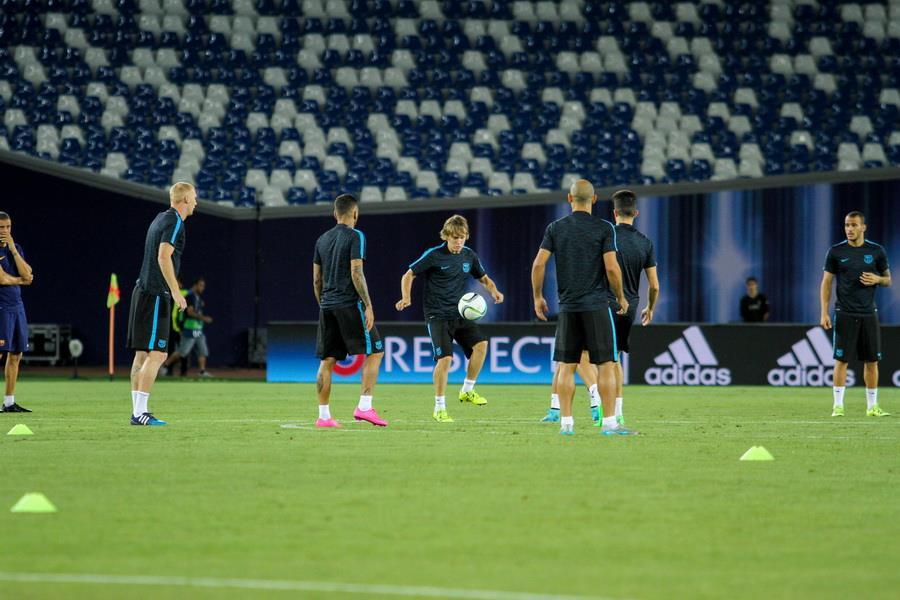
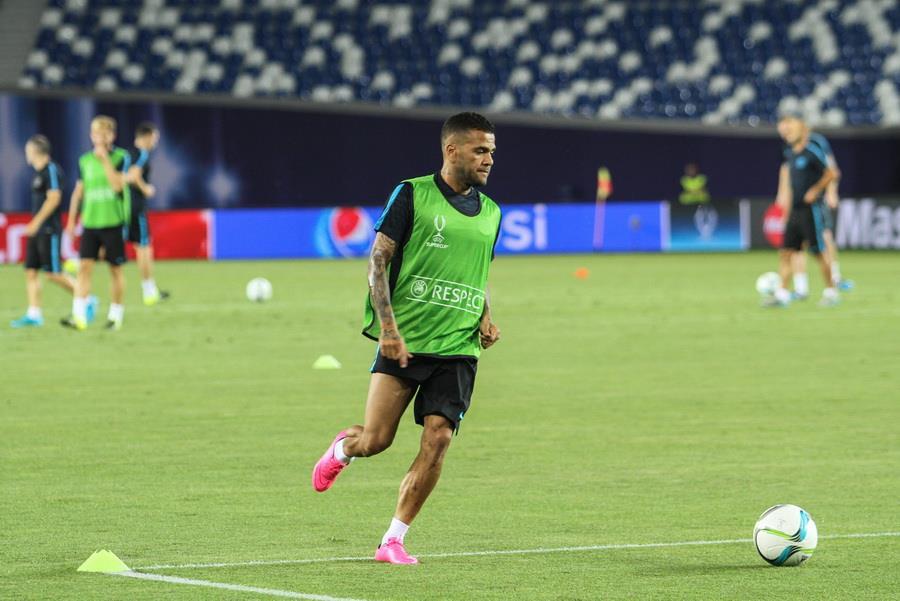
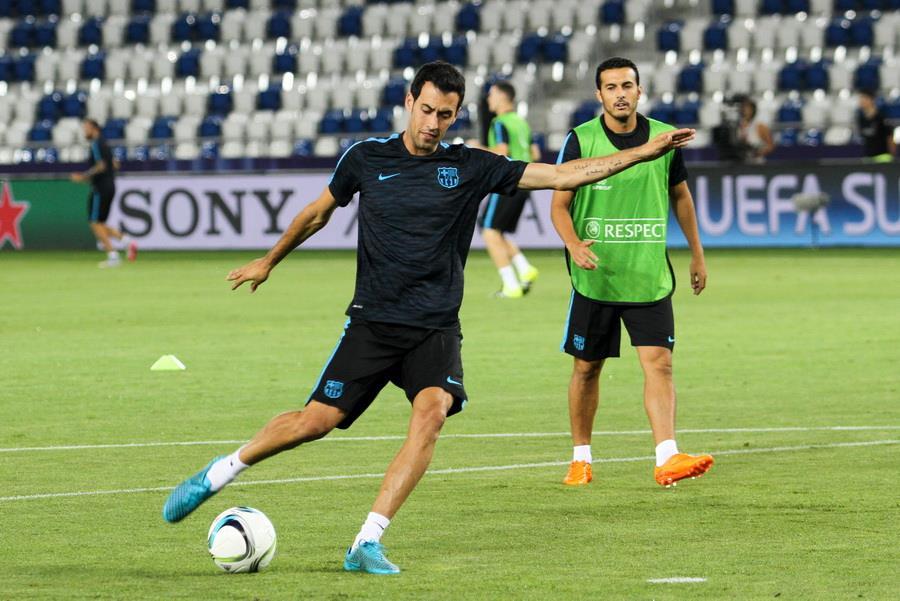
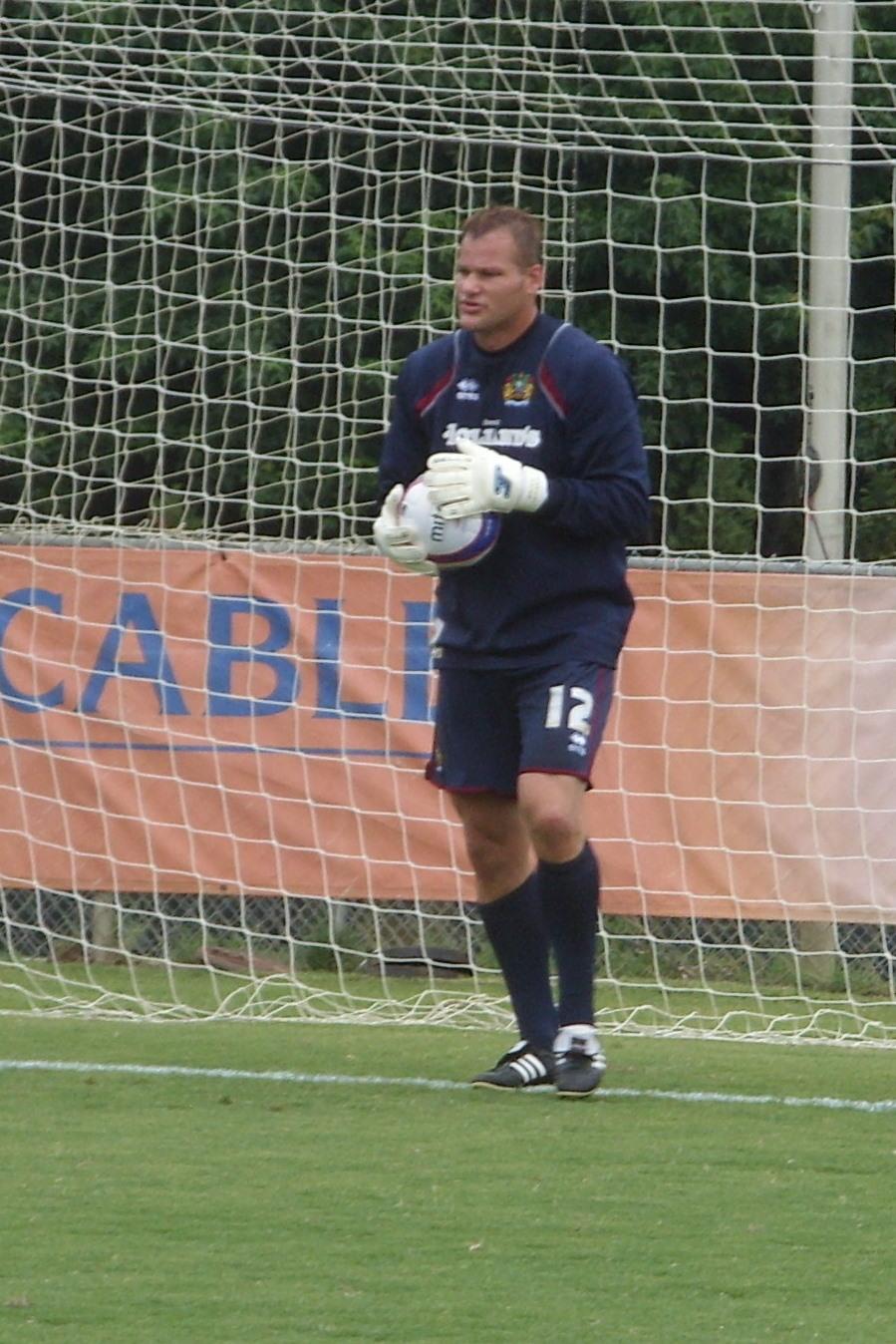
Here are five practice ideas for U17–U21 coaches, informed by FIFA’s published sessions and analysis from 2021–2026. These are coaching applications, not newly proven training findings. The credited professional-training photographs are archive illustrations; they do not show the FIFA exercises.
Goalkeeper support
Keep the goalkeeper involved after the first pass
The goalkeeper passes to a centre-back, then watches. Now the centre-back has an opponent closing in and no safe way back.
Dean Santangelo’s 2022 FIFA session puts the goalkeeper in the passing exercise with defenders. His coaching points ask the goalkeeper to move into a clear passing angle, away from the opponent, rather than staying in one spot after releasing the ball.
Try watching one thing in your next build-up practice: can the ball carrier still see a route back to the goalkeeper? If an opponent blocks that route, let the goalkeeper move to reopen it. A return pass should help the team change where it attacks, not simply send the same problem back.
At your next practice
- Pause one repetition after the first pass. Ask the goalkeeper where they could move to become available again.
- Restart from the same position and let the players try their answer against pressure.
Keep in mind: Moving deeper is an option, not a fixed instruction. The ball, opponent and distance to goal change the decision.
Midfield support
Give the midfielder a reason to move
Your midfielder is asking for the ball from behind a striker. Shouting louder will not open the passing lane.
FIFA’s 2024 progression practice connects the goalkeeper and centre-backs with midfielders who time their movement to receive beyond the press. The session uses opposition, so players must judge whether the route through the middle is actually available.
For your U17–U21 group, ask the midfielder to move as the ball travels across the back line. Then ask the passer what changed: could they see the midfielder, or did the defender move with them? Sometimes the movement helps another player receive instead. Do not award a successful action just because the midfielder touched the ball.
At your next practice
- Let a defender block the central pass. Give the midfielder freedom to find another angle.
- Watch whether the receiver can make the next pass, rather than counting completed passes alone.
Keep in mind: This is a suggested coaching adaptation. FIFA describes a practice, not an experiment proving one movement works for every team.
Centre-back decisions
Let the centre-back carry the ball when the pass is blocked
Both midfielders are marked, but nobody is closing your centre-back. The next useful action may be a few steps forward with the ball.
Claire Lynne Smith’s 2021 FIFA session includes centre-back step-ins. It begins with limited pressure before allowing full defending, so players can learn to recognise an opening and then try the action against an opponent.
Use that progression instead of demanding the same pass on every restart. Give the defender a choice between carrying into available space and passing to a teammate. Keep the opponent involved in the decision. If carrying forward draws the opponent out, ask what passing option appears next. If the defender runs into pressure, replay the moment before that choice.
At your next practice
- Set a clear target beyond the first defender: a teammate or a gate to reach with the ball.
- Begin with manageable pressure, then let the defender compete fully when the group is ready.
Keep in mind: A carry is not always safe. The player still needs support behind them and must recognise when the space has closed.
Distribution choices
Do not make every restart a short pass
Three opponents crowd the penalty area, yet the goalkeeper is still looking for the same short pass. Check whether your instructions have removed every other option.
FIFA’s 2021 goal-kick analysis describes different routes: around the press, through it, into a player farther upfield, onto a forward, or beyond the defence. Its examples include different distribution approaches at the 2019 men’s U20 World Cup, not one rule for every team.
In practice, give players a target farther forward as well as nearby support. Let the opposition decide how high to press. Ask the goalkeeper to explain the choice after the action, not before every pass. A longer ball to an available teammate can be a deliberate decision; a short pass into a trapped teammate is not automatically good build-up.
At your next practice
- Use two restart pictures: opponents pressing high, then opponents protecting space farther back.
- Keep both short and longer options available. Ask which route the opposition left open.
Keep in mind: Match your passing distances to the players and available space. Professional examples are references, not youth performance targets.
After losing the ball
Keep playing when the pass gets intercepted
The pass is intercepted and everyone stops for another ball. Your goalkeeper never gets to practise the save that the mistake might demand.
Santangelo’s April 2026 FIFA session links a goalkeeper’s attacking action to a new defensive action. The goalkeeper must readjust position and body orientation rather than treating distribution as the end of the repetition.
In your team practice, let a turnover lead to a genuine attempt on goal when it is safe to continue. Watch the goalkeeper’s next movement and the defenders’ recovery. Discuss the original passing choice separately from the response to losing possession. Otherwise, a useful reaction can disappear inside a long conversation about the error.
At your next practice
- Tell both teams that play continues after an interception, with normal safe challenges and clear boundaries.
- After a short block, ask the goalkeeper what they saw first and what position they needed next.
Keep in mind: Adapt the activity with a qualified goalkeeper coach where available. Stop for an unsafe situation rather than preserving the repetition.
Try it at practice.
Choose the problem that showed up most often in your last game. Work on that decision with the goalkeeper and outfield players together, then finish with a game where they can choose their own solution. Look for the option they recognise, not a perfect passing sequence.
By Darrius Marcellin. Published by ULTRAIN Sports with AI-assisted research and drafting checked against the linked sources. Photography and video credits identify each source. General health information is not individual medical or nutrition advice.
Report a correction