Match study
Your press gets beaten by one pass. Who goes next?
Five coaching notes from Atlético de Madrid 0–2 Bayern, November 3, 2026. Help your players press together and recover when the ball gets through.

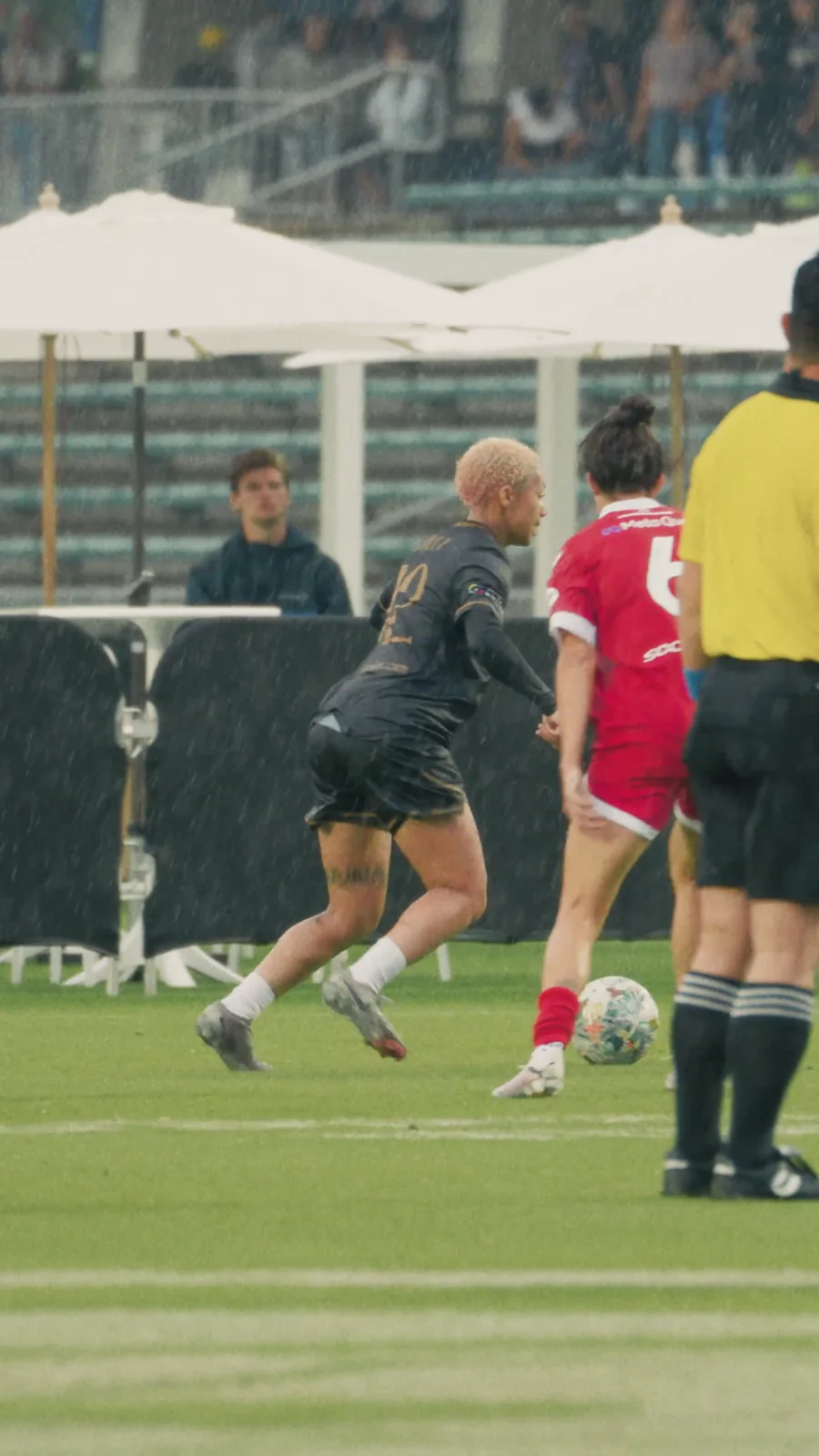
Your winger chases the ball. One pass takes them out of the game, and suddenly your midfield is running towards its own goal.
Before you ask for more effort, check what the next defender does. Bayern’s 2–0 win at Atlético on November 3 gives us a useful match to study: UEFA’s analysis describes a team that could press high and defend its box.
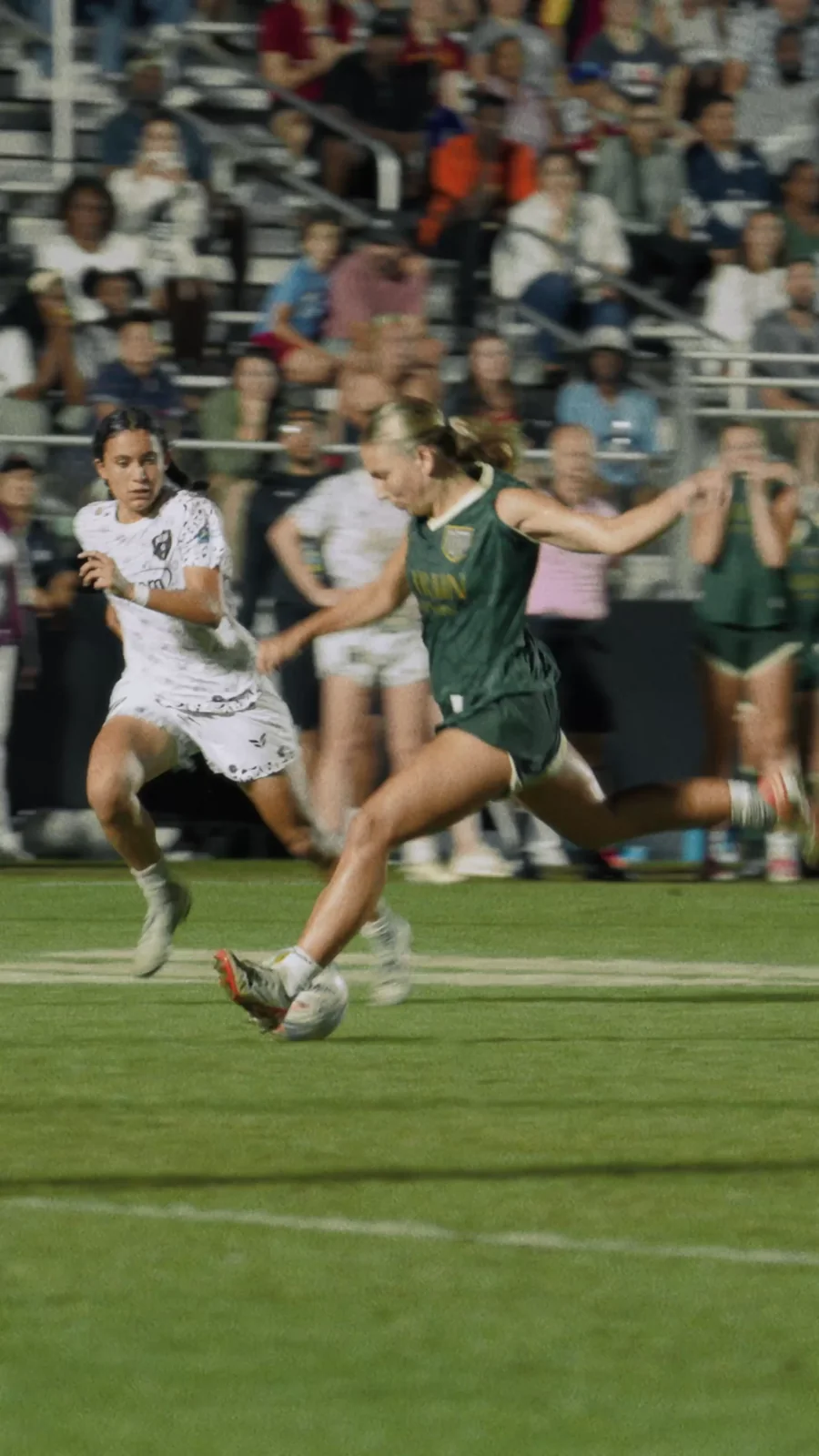
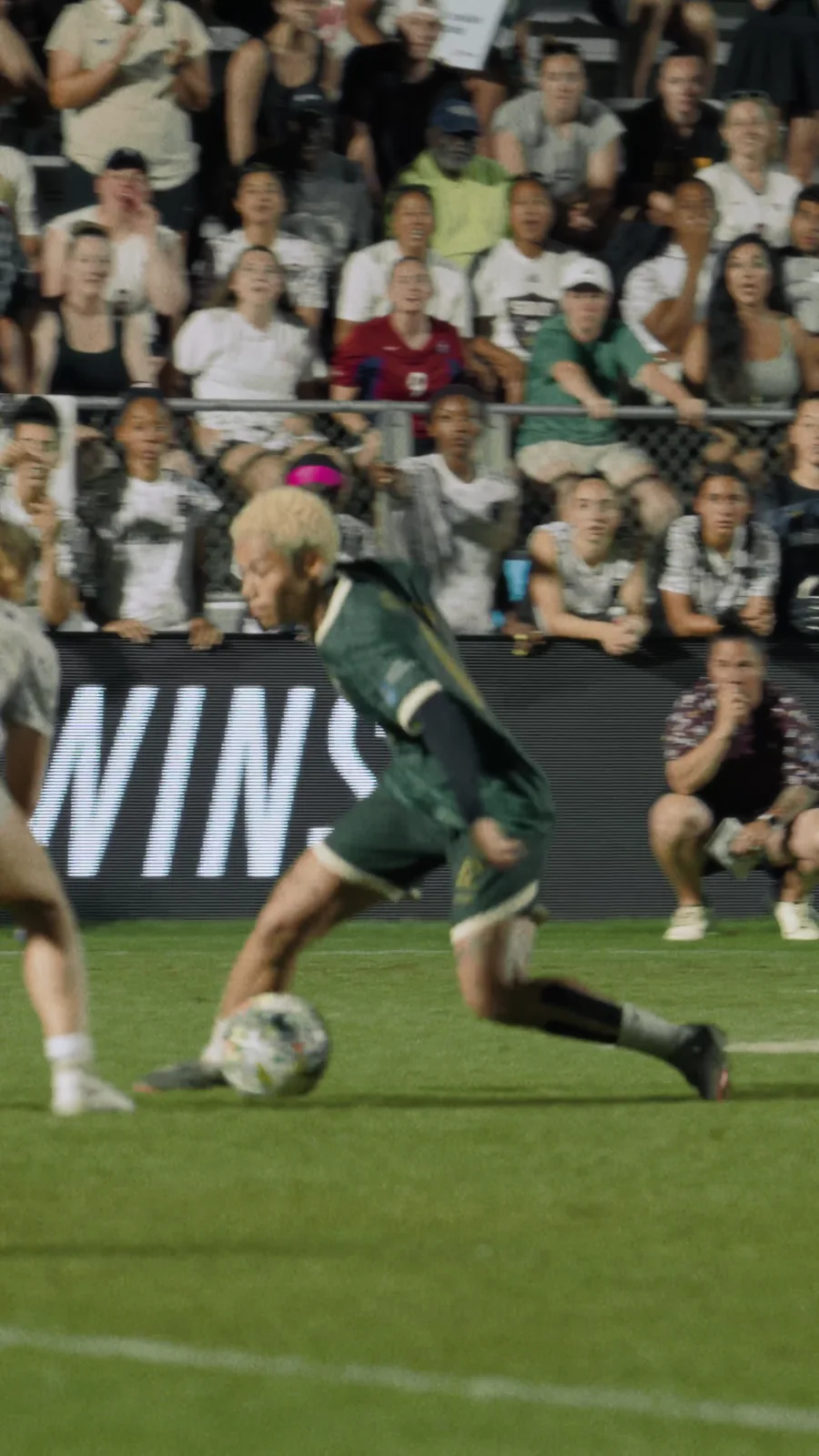
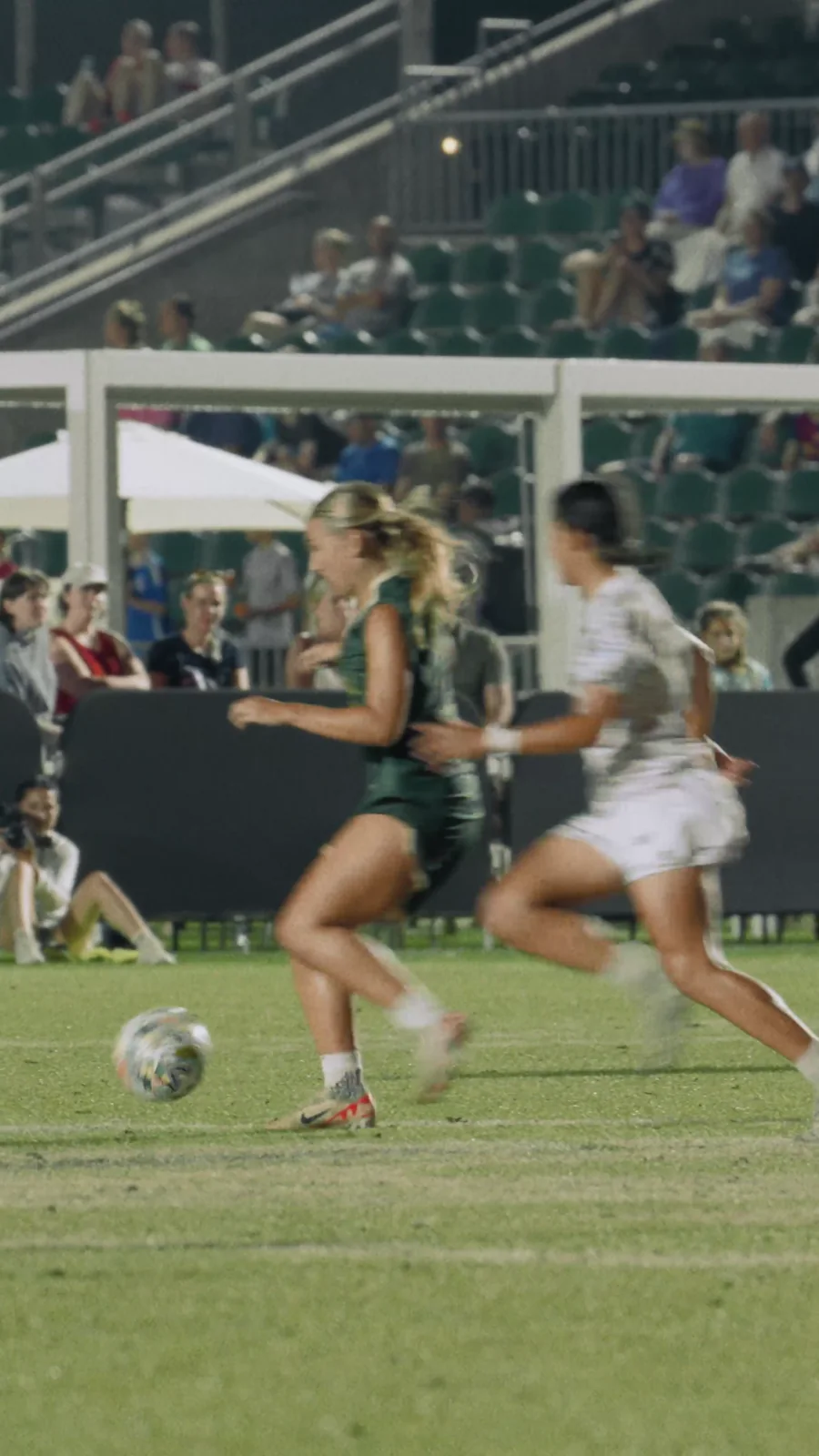
These notes use UEFA’s written reports. The linked match highlights require an FC Bayern sign-in; the archive photos below illustrate coaching situations, not that fixture. Each practice idea is an ULTRAIN adaptation for U17–U21 players, rather than a claim about Bayern’s training or a guarantee of results.
After losing possession
Give the nearest player a decision
Losing the ball can leave a player standing still. Ask whether they can reach the opponent before the next pass, rather than shouting for everyone to charge forward.
UEFA reports that Lennart Karl took the ball from Robin Le Normand inside Atlético’s box before scoring in the 54th minute. Bayern’s second goal followed Alphonso Davies winning it from Marcos Llorente.
For your session, try a small-sided game with two teams and goals. When possession changes, let play continue. Watch the player nearest the ball: can they challenge, make the next pass difficult or buy time for help? Use short rounds with recovery breaks.
At the next stoppage, ask that player what they could see. If they were too far away to arrive, discuss where they could recover instead. Keep the same pitch and teams for another round so you can compare the decision.
At your next practice
- Watch five changes of possession before interrupting.
- Record the first response: challenge, delay or recover.
Keep in mind: Two goals show what happened in this match. They do not prove that pressing immediately is always the right choice.
The second defender
Watch the player who is not chasing
Two players sprint at the same opponent and leave the next pass open. Give the second defender something more useful to do.
In UEFA’s coaching reflection, Phil Church highlights the spacing between defenders and how they move together. That gives you a specific detail to watch beyond the speed of the first run.
Use ULTRAIN’s Press in Pairs: four attackers keep possession against two defenders in a square. The first defender approaches the ball on a curve. Their partner covers a passing option instead of following them to the same spot.
Let the attackers play before adding a time challenge. When a pass splits the pair, ask the covering player where they were as the ball carrier looked up. Replay from that position, then rotate the defenders. Adjust the square if the pair cannot get close enough to influence any pass.
At your next practice
- Count passes that go between the two defenders.
- After a pass, check who takes over pressure and who covers.
Keep in mind: This is a small-group practice adaptation, not a reconstruction of Bayern’s match shape.
Behind the press
When one defender steps out, who stays?
A defender follows a forward into midfield. The space they leave behind needs someone’s attention before the next pass arrives.
UEFA identifies Jonathan Tah stepping high up the pitch and praises both Bayern centre-backs’ aggressive defending. The report does not establish a fixed covering rule for every situation.
Start with Pressure and Cover 2v2. Two attackers try to reach an end line. The nearest defender closes the ball while the partner stays behind and at an angle. Move that covering position as the attackers pass.
Ask the covering defender to explain which route they are protecting. If both defenders step at once, freeze the picture briefly and let the attackers point out the space. Restart from the same place, then play freely. For an older squad, use two mini goals so the defending pair has another target to consider.
At your next practice
- Change who presses when the ball moves.
- Look at the cover position before judging the tackle.
Keep in mind: The covering task is our coaching application. The 2v2 exercise does not reproduce a full back line.
When the press is beaten
Keep playing after the ball gets through
The first challenge fails and the practice stops. Your players also need turns dealing with the attack that follows.
UEFA’s analysis highlights Bayern protecting their penalty area collectively in the 93rd minute. High pressure was only part of their defending.
Try Delay and Deny 1v2. Two attackers face one defender with a mini goal behind the defender. A second defender starts outside the duel and joins after a short delay. The first defender tries to slow the attack while keeping the route to goal protected.
Begin with the earlier recovery shown in the drill. Lengthen the delay only when the first defender can cope. Let the attack reach its outcome so the recovering player has a reason to finish the run. Swap roles, and ask the pair whether their decisions gave them time to defend together.
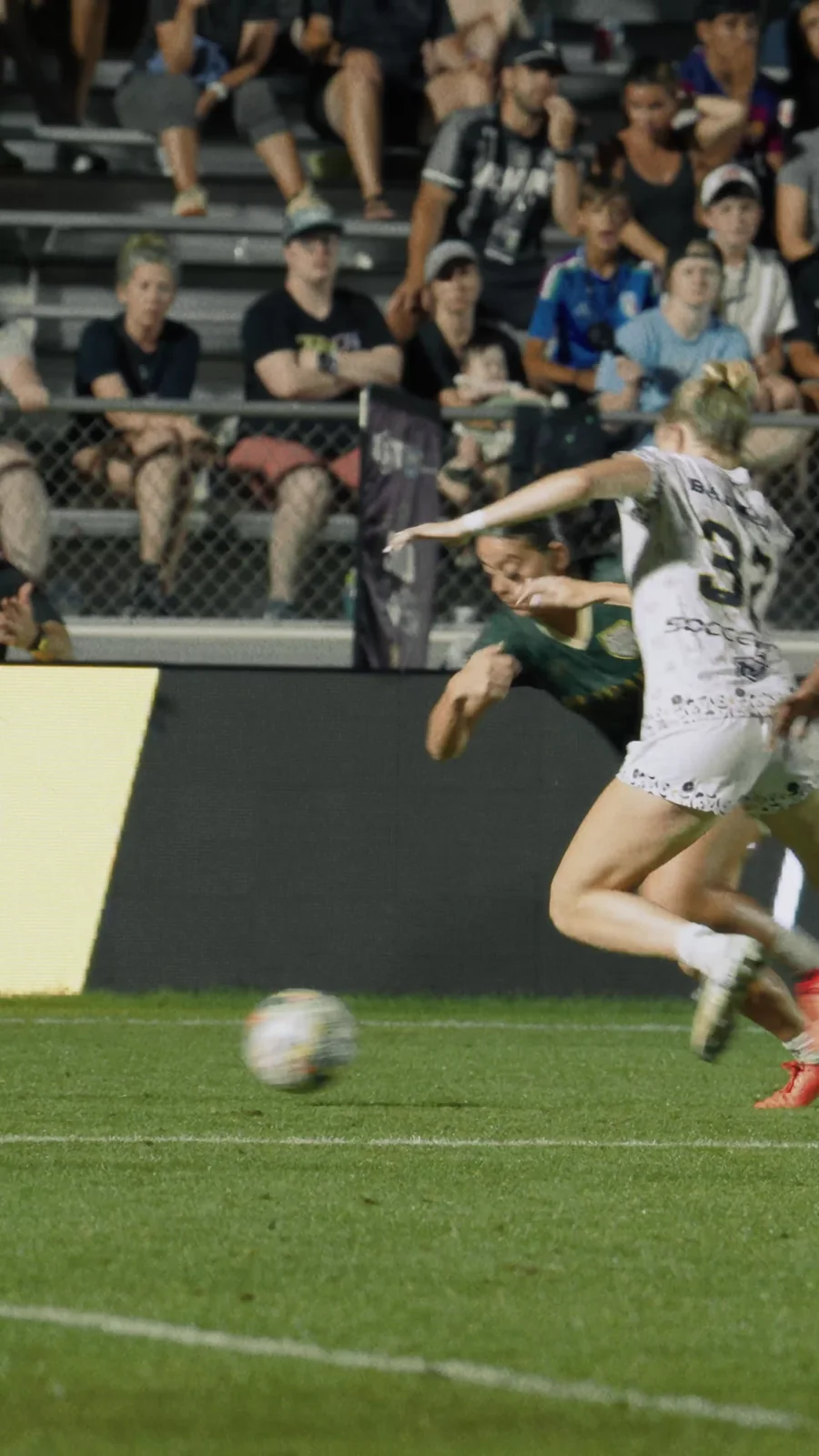
At your next practice
- Observe whether the lone defender buys time or commits too early.
- Include recovery, not just the initial challenge, in your feedback.
Keep in mind: Adjust space, delay and work periods to your players. This is not a professional conditioning prescription.
Your next session
Agree what starts the press
One player goes, another waits, and both think they are right. Agree on one visible cue before the next round.
Church lists backward passes and poor passes or touches among possible pressing triggers. Choose one for discussion rather than asking players to remember every cue at once.
Return to the same small-sided game. Ask the team to notice a backward pass, decide who can get to the receiver and name who supports that player. A backward pass is a prompt to assess the situation, not an instruction to run regardless of distance.
After five opportunities, ask both defenders what they noticed. Keep a simple tally of whether they agreed and what happened next. Compare another round with the same teams and space. The official Bayern training video linked below offers a separate training illustration, published in December 2025; it is not footage of the Atlético match.
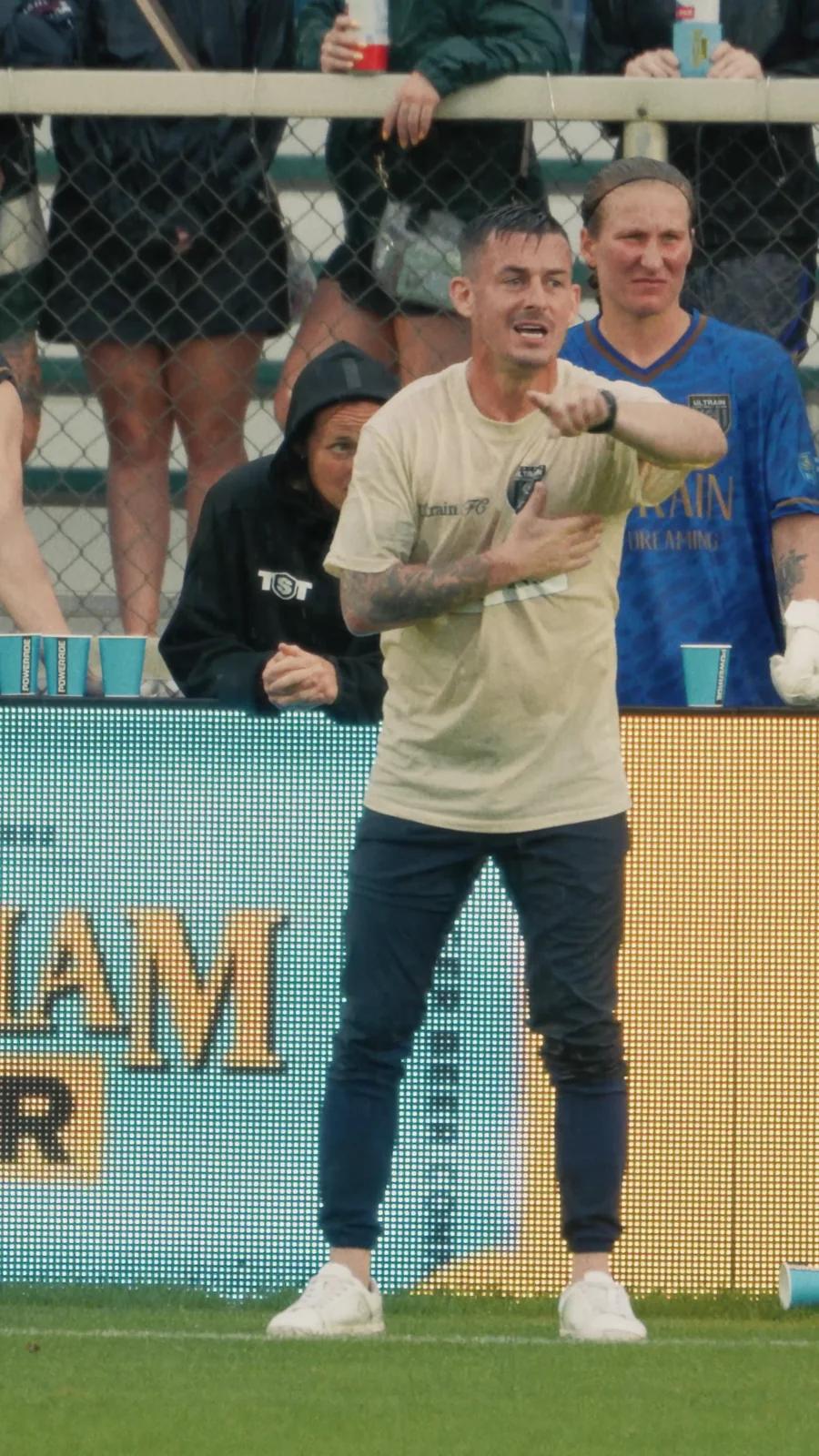
At your next practice
- Ask players to explain the cue in their own words.
- Keep one observation for your next match, rather than changing everything.
Keep in mind: Your tally is a coaching observation, not proof that the exercise caused improvement.
Try it at practice.
For your next practice, choose the problem you actually saw on Saturday. If one pass keeps beating two defenders, start with the pair. Keep watching the same moment in the next match and see whether they make a different decision.
By Darrius Marcellin. Published by ULTRAIN Sports with AI-assisted research and drafting checked against the linked sources. Photography and video credits identify each source. General health information is not individual medical or nutrition advice.
Report a correction